US$ 5,250.00
ex. VAT, ex. delivery costs
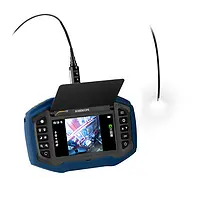
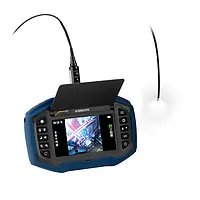
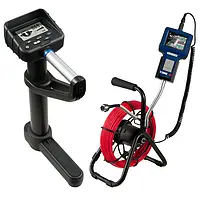
The chimney camera provides you with new, optical insights into the inner workings of machines and systems as well as in cavities, ventilation ducts, down pipes, chimneys, sewage pipes… The chimney camera is the ideal tool for maintenance and repair in any industrial area, craft or workshop.
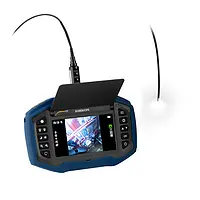
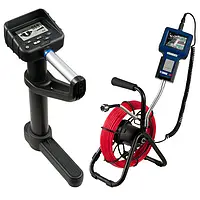
The condition monitoring snake camera provides you with new, optical insights into the inner workings of machines and systems as well as in cavities, ventilation ducts, down pipes, chimneys, sewage pipes… The condition monitoring snake camera is the ideal tool for maintenance and repair in any industrial area, craft or workshop.
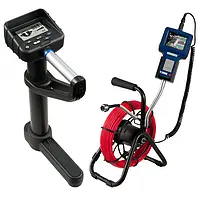
The PCE-VE 380N-LOC drain camera provides you with new, optical insights into the inner workings of machines and systems as well as in cavities, ventilation ducts, down pipes, chimneys, sewage pipes… The drain camera PCE-VE 380N-LOC is the ideal tool for maintenance and repair in any industrial area, craft or workshop.
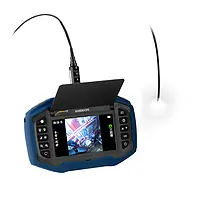
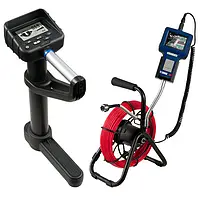
The chimney camera provides you with new, optical insights into the inner workings of machines and systems as well as in cavities, ventilation ducts, down pipes, chimneys, sewage pipes… The chimney camera is the ideal tool for maintenance and repair in any industrial area, craft or workshop.
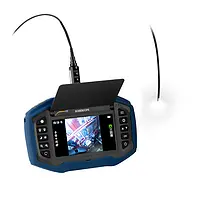
The industrial borescope gives you new, visual insights into the interior of motors and systems. The industrial borescope is the ideal tool for maintenance and repair in workshops or industrial companies. Optical analysis with an industrial borescope has never been so easy.
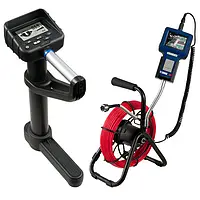
The PCE-VE 380N-LOC industrial borescope provides you with new, optical insights into the inner workings of machines and systems as well as in cavities, ventilation ducts, down pipes, chimneys, sewage pipes… The industrial borescope PCE-VE 380N-LOC is the ideal tool for maintenance and repair in any industrial area, craft or workshop.
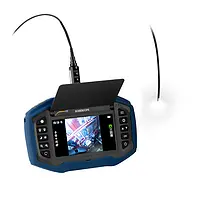

The industrial borescope gives you new, visual insights into the interior of motors and systems. The industrial borescope is the ideal tool for maintenance and repair in workshops or industrial companies. Optical analysis with an industrial borescope has never been so easy.
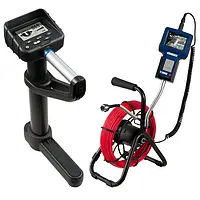
The PCE-VE 380N-LOC industrial borescope provides you with new, optical insights into the inner workings of machines and systems as well as in cavities, ventilation ducts, down pipes, chimneys, sewage pipes… The industrial borescope PCE-VE 380N-LOC is the ideal tool for maintenance and repair in any industrial area, craft or workshop.
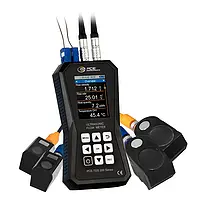
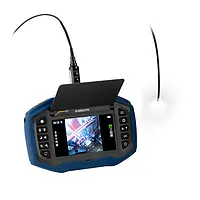
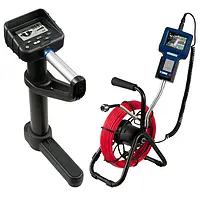
The PCE-VE 380N-LOC snake camera provides you with new, optical insights into the inner workings of machines and systems as well as in cavities, ventilation ducts, down pipes, chimneys, sewage pipes… The snake camera PCE-VE 380N-LOC is the ideal tool for maintenance and repair in any industrial area, craft or workshop.
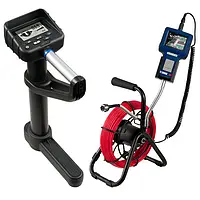
The PCE-VE 380N-LOC surface testing fiberscope snake camera provides you with new, optical insights into the inner workings of machines and systems as well as in cavities, ventilation ducts, down pipes, chimneys, sewage pipes… The surface testing fiberscope snake camera PCE-VE 380N-LOC is the ideal tool for maintenance and repair in any industrial area, craft or workshop.
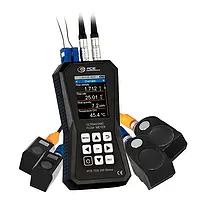
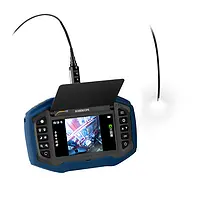
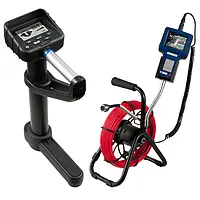
The PCE-VE 380N-LOC videoscope or inspection camera provides you with new, optical insights into the inner workings of machines and systems as well as in cavities, ventilation ducts, down pipes, chimneys, sewage pipes, etc. The Videoscope PCE-VE 380N-LOC is the ideal camera tool for maintenance and repair in any industrial area, craft or workshop.
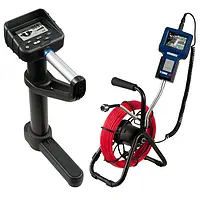
The PCE-VE 380N-LOC waterproof inspection camera provides you with new, optical insights into the inner workings of machines and systems as well as in cavities, ventilation ducts, down pipes, chimneys, sewage pipes… The waterproof inspection camera PCE-VE 380N-LOC is the ideal tool for maintenance and repair in any industrial area, craft or workshop.
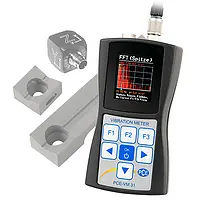
The PCE-VM 31-HA Condition Monitoring Human Vibration Meter is designed for measuring human vibration at the workplace. The Condition Monitoring Vibration Meter can calculate hand-arm vibration measurements according to ISO 5349 and whole-body vibration measurements according to ISO 2631.
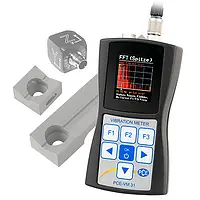
The PCE-VM 31-HA Human Vibration Analyzer is designed for measuring human vibration at the workplace. The Vibration Meter can calculate hand-arm vibration measurements according to ISO 5349 and whole-body vibration measurements according to ISO 2631.

The PCE-VM 31-HA Human Vibration Meter is designed for measuring human vibration at the workplace. The Vibration Meter can calculate hand-arm vibration measurements according to ISO 5349 and whole-body vibration measurements according to ISO 2631.
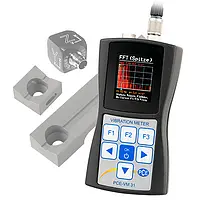
The PCE-VM 31-HA Human Vibration Recorder is designed for measuring human vibration at the workplace. The Vibration Recorder can calculate hand-arm vibration measurements according to ISO 5349 and whole-body vibration measurements according to ISO 2631.
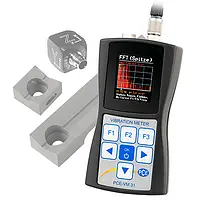
The PCE-VM 31-HA Tri-Axial Accelerometer is designed for measuring human vibration at the workplace. The Accelerometer can calculate hand-arm vibration measurements according to ISO 5349 and whole-body vibration measurements according to ISO 2631.