US$ 1,307.00
ex. VAT, ex. delivery costs
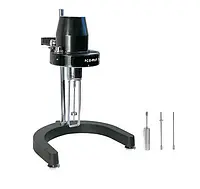
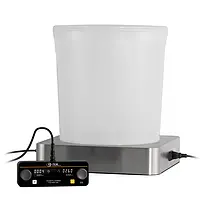
PCE-RVI 1 is an analogue viscometer or dial reading viscometer used in industrial and research applications to measure the viscosity of fluids such as paints, lacquers, inks, pastes, adhesives, plastics, greases and liquid food products. Under identical conditions, test results from an analogue viscometer are as accurate and reproducible as results from a digital viscometer. Thus, the PCE-RVI 1 analogue viscometer offers an affordable solution for viscosity measurement during product and material testing, development, production and quality control.
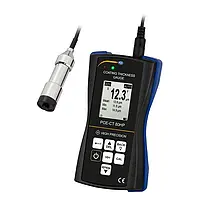
 of, for example, plastics, paints and other coatings on ferrous and non-ferrous metals. With a measuring range of up to 5000 µm on ferrous metals, the coating thickness gauge covers a wide range of measuring tasks.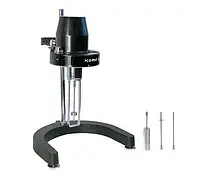
PCE-RVI 1 is an analogue viscometer or dial reading viscometer used in industrial and research applications to measure the viscosity of fluids such as paints, lacquers, inks, pastes, adhesives, plastics, greases and liquid food products. Under identical conditions, test results from an analogue viscometer are as accurate and reproducible as results from a digital viscometer. Thus, the PCE-RVI 1 analogue viscometer offers an affordable solution for viscosity measurement during product and material testing, development, production and quality control.
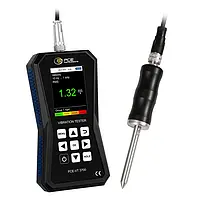
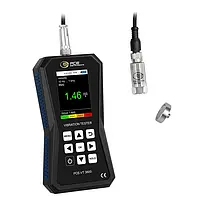
The accelerometer is ideal for maintenance workers to quickly check vibrating parts, machines and systems. This accelerometer shows the vibration acceleration, vibration velocity and vibration displacement directly on the display. The measurement unit can be switched between the metric system and imperial units.
Measuring ranges
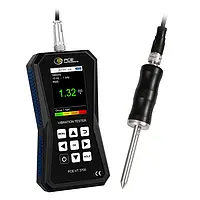
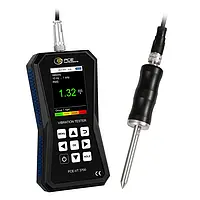
The HVAC meter is ideal for maintenance workers to quickly check vibrating parts, machines and systems. This HVAC meter shows the vibration acceleration, vibration velocity and vibration displacement directly on the display. The measurement unit can be switched between the metric system and imperial units.
Measuring ranges
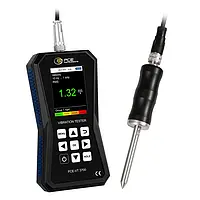
The vibration analyzer is ideal for maintenance workers to quickly check vibrating parts, machines and systems. This vibration analyzer shows the vibration acceleration, vibration velocity and vibration displacement directly on the display. The measurement unit can be switched between the metric system and imperial units.
Measuring ranges
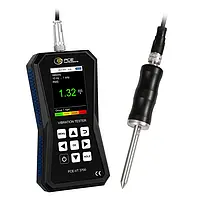
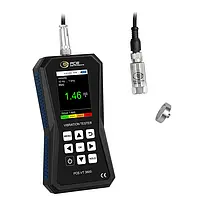
The accelerometer is the ideal companion for checking vibrating parts, machines and systems. With the external vibration sensor on the accelerometer, the vibration displacement up to 3.9 mm, the vibration velocity up to 399.9 mm/s and the vibration acceleration up to 399.9 m/s² can be determined.
Measuring ranges
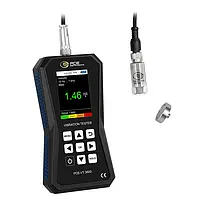
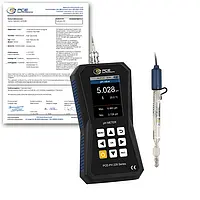

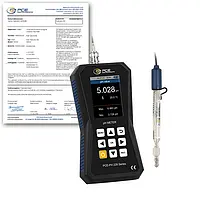
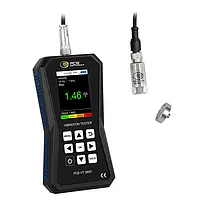
The HVAC meter is the ideal companion for checking vibrating parts, machines and systems. With the external vibration sensor on the HVAC meter, the vibration displacement up to 3.9 mm, the vibration velocity up to 399.9 mm/s and the vibration acceleration up to 399.9 m/s² can be determined.
Measuring ranges
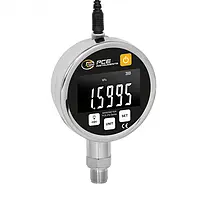
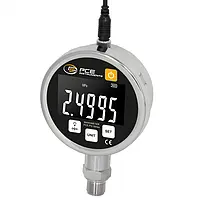
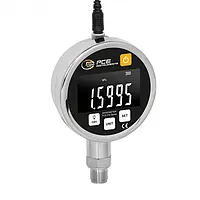
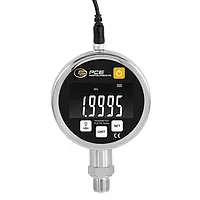
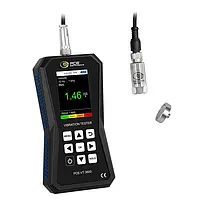
The vibration analyzer is the ideal companion for checking vibrating parts, machines and systems. With the external vibration sensor on the vibration analyzer, the vibration displacement up to 3.9 mm, the vibration velocity up to 399.9 mm/s and the vibration acceleration up to 399.9 m/s² can be determined.
Measuring ranges
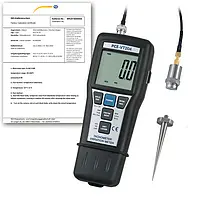
The PCE-VT 204 is a multifunction handheld accelerometer device with the ability to accurately measure both rotation and vibration. An ideal tool for the testing and inspection of machine parts and components such as motors, transmissions, gears, gear boxes and wheels, this multi-purpose instrument measures revolutions per minute (RPMs) as well as three-axis vibration, i.e., speed or velocity, displacement and acceleration.
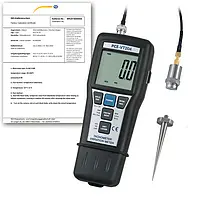
The PCE-VT 204 is a multifunction handheld condition monitoring vibration meter. The condition monitoring vibration meter has the ability to accurately measure both rotation and vibration. An ideal tool for the testing and inspection of machine parts and components such as motors, transmissions, gears, gear boxes and wheels, this multi-purpose device measures revolutions per minute (RPMs) as well as three-axis vibration, i.e., speed or velocity, displacement and acceleration.