US$ 240.00
ex. VAT, ex. delivery costs
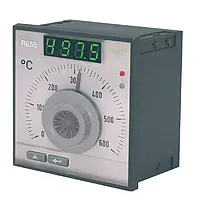
The process controller / temperature controller is a simple temperature controller for control tasks. The input signal of the thermostat is processed by thermocouples type J in different temperature ranges. Optionally the simple temperature controller can also be equipped with a PID switch.
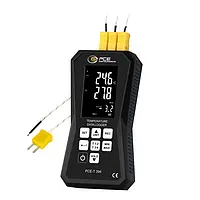
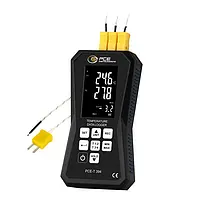
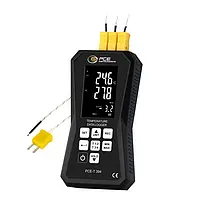
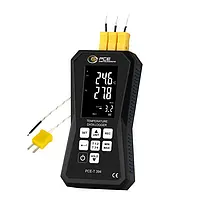

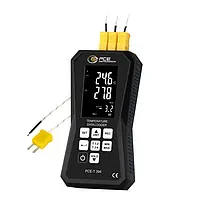
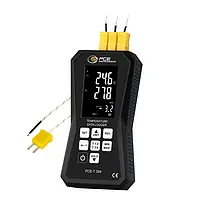
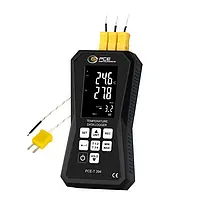
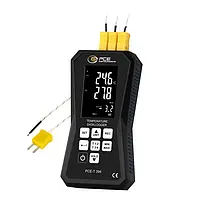
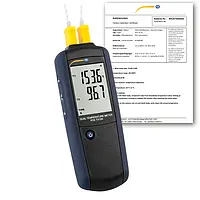

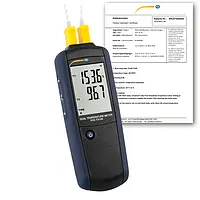
This Food Thermometer is a two-channel measuring instrument. The Food Thermometer offers a wide range of measurement options.
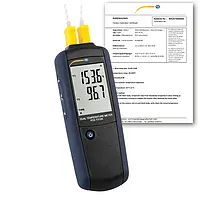
This thermometer is a two-channel measuring instrument. The thermometer offers a wide range of measurement options.
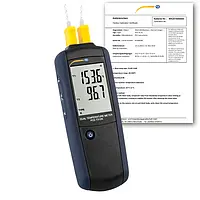
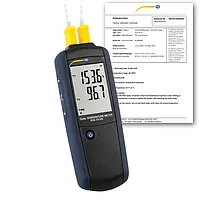
This contact thermometer is a two-channel measuring instrument. The contact thermometer offers a wide range of measurement options.
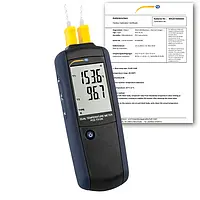
This digital thermometer is a two-channel measuring instrument. The digital thermometer offers a wide range of measurement options.
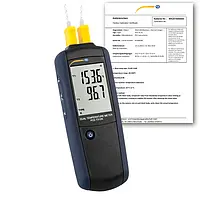
This environmental meter is a two-channel measuring instrument. The environmental meter offers a wide range of measurement options.
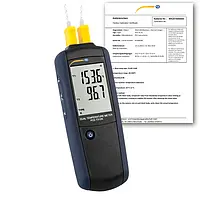
This probe thermometer is a two-channel measuring instrument. The probe thermometer offers a wide range of measurement options.
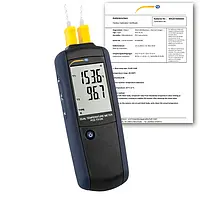
This temperature meter is a two-channel measuring instrument. The temperature meter offers a wide range of measurement options.
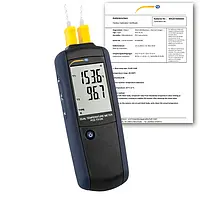
This HVAC meter is a two-channel measuring instrument. The HVAC meter offers a wide range of measurement options.
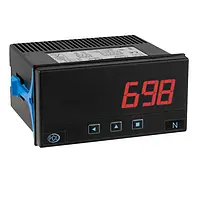
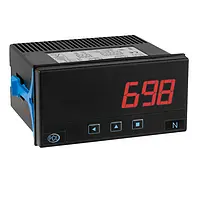
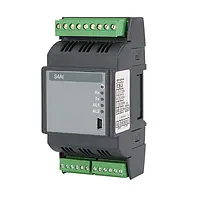
The I/O module PCE-SM4AI has 4 analog inputs for process signals, thermometers etc. All inputs from the I/O module are individually programmable. The I/O module is used to provide analog measurement signals in a Modbus network.
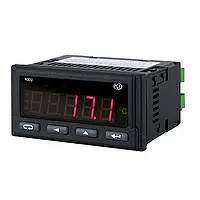
The panel meter can process several different input signals, such as 0…410/4010 Ohm, -10…+63 mV DC, -13…+13 V DC, -24…+24 mA DC or signals from thermocouples and resistance thermometers. This makes the panel meter applicable in a wide range of applications. The measured values are shown on the large LED display of the panel meter.
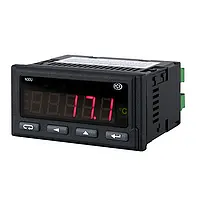
The frequency indicator can process several different input signals, such as 0…410/4010 Ohm, -10…+63 mV DC, -13…+13 V DC, -24…+24 mA DC or signals from thermocouples and resistance thermometers. This makes the frequency indicator applicable in a wide range of applications. The measured values are shown on the large LED display of the frequency indicator.
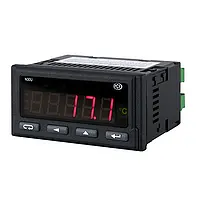
The panel indicator can process several different input signals, such as 0…410/4010 Ohm, -10…+63 mV DC, -13…+13 V DC, -24…+24 mA DC or signals from thermocouples and resistance thermometers. This makes the panel indicator applicable in a wide range of applications. The measured values are shown on the large LED display of the panel indicator.
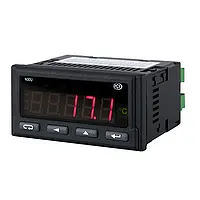
The power indicator can process several different input signals, such as 0…410/4010 Ohm, -10…+63 mV DC, -13…+13 V DC, -24…+24 mA DC or signals from thermocouples and resistance thermometers. This makes the power indicator applicable in a wide range of applications. The measured values are shown on the large LED display of the power indicator.
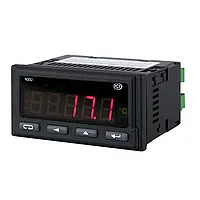
The pressure gauge can process several different input signals, such as 0…410/4010 Ohm, -10…+63 mV DC, -13…+13 V DC, -24…+24 mA DC or signals from thermocouples and resistance thermometers. This makes the pressure gauge applicable in a wide range of applications. The measured values are shown on the large LED display of the pressure gauge.
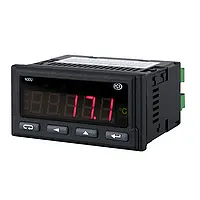
The pressure indicator can process several different input signals, such as 0…410/4010 Ohm, -10…+63 mV DC, -13…+13 V DC, -24…+24 mA DC or signals from thermocouples and resistance thermometers. This makes the pressure indicator applicable in a wide range of applications. The measured values are shown on the large LED display of the pressure indicator.
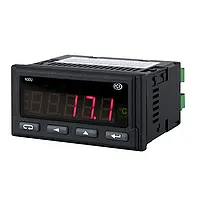
The process indicator can process several different input signals, such as 0…410/4010 Ohm, -10…+63 mV DC, -13…+13 V DC, -24…+24 mA DC or signals from thermocouples and resistance thermometers. This makes the process indicator applicable in a wide range of applications. The measured values are shown on the large LED display of the process indicator.
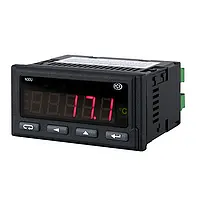
The temperature indicator can process several different input signals, such as 0…410/4010 Ohm, -10…+63 mV DC, -13…+13 V DC, -24…+24 mA DC or signals from thermocouples and resistance thermometers. This makes the digital universal indicator applicable in a wide range of applications. The measured values are shown on the large LED display of the temperature indicator.
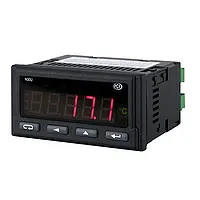
The voltage indicator can process several different input signals, such as 0…410/4010 Ohm, -10…+63 mV DC, -13…+13 V DC, -24…+24 mA DC or signals from thermocouples and resistance thermometers. This makes the voltage indicator applicable in a wide range of applications. The measured values are shown on the large LED display of the voltage indicator.