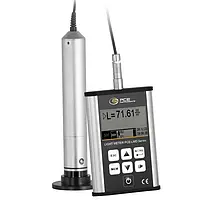
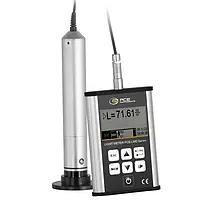
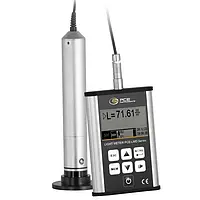
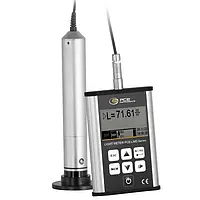
The PCE-PGM 100 gloss meter works with measuring geometries of 20°, 60° and 85°, using the reflection principle. This means that the gloss meter emits light which hits the surface to be tested. A part of the light will be absorbed by the surface and another part will be reflected.
The PCE-PGM 100 NDT tester or gloss meter works with measuring geometries of 20°, 60° and 85°, using the reflection principle. This means that the gloss meter emits light which hits the surface to be tested. A part of the light will be absorbed by the surface and another part will be reflected.
The PCE-PGM 100 Surface Testing works with measuring geometries of 20°, 60° and 85°, using the reflection principle. This means that the Surface Testing emits light which hits the surface to be tested. A part of the light will be absorbed by the surface and another part will be reflected.
The PCE-PGM 100 gloss meter works with measuring geometries of 20°, 60° and 85°, using the reflection principle. This means that the gloss meter emits light which hits the surface to be tested. A part of the light will be absorbed by the surface and another part will be reflected.
The PCE-PGM 100 Surface Testing works with measuring geometries of 20°, 60° and 85°, using the reflection principle. This means that the Surface Testing emits light which hits the surface to be tested. A part of the light will be absorbed by the surface and another part will be reflected.
The Photovoltaic Tester kit is a useful tool to examine solar cells for their characteristic curves. This enables a statement to be made about the composition and design of a photovoltaic system.
Photovoltaic Tester PCE-PVA 100
The radioactivity meter kit is a useful tool to examine solar cells for their characteristic curves. This enables a statement to be made about the composition and design of a photovoltaic system.
Environmental meter PCE-PVA 100
The environmental meter kit is a useful tool to examine solar cells for their characteristic curves. This enables a statement to be made about the composition and design of a photovoltaic system.
Environmental meter PCE-PVA 100
The environmental tester kit is a useful tool to examine solar cells for their characteristic curves. This enables a statement to be made about the composition and design of a photovoltaic system.
Environmental tester PCE-PVA 100
The photovoltaic meter kit is a useful tool to examine solar cells for their characteristic curves. This enables a statement to be made about the composition and design of a photovoltaic system.
Photovoltaic meter PCE-PVA 100
The radiation detector kit is a useful tool to examine solar cells for their characteristic curves. This enables a statement to be made about the composition and design of a photovoltaic system.
Radiation detector PCE-PVA 100
The solar measuring device kit is a useful tool to examine solar cells for their characteristic curves. This enables a statement to be made about the composition and design of a photovoltaic system.
Solar measuring device PCE-PVA 100
The PCE-PGM 100 Surface Testing works with measuring geometries of 20°, 60° and 85°, using the reflection principle. This means that the Surface Testing emits light which hits the surface to be tested. A part of the light will be absorbed by the surface and another part will be reflected.