
US$ 37,949.00
ex. VAT, ex. delivery costs
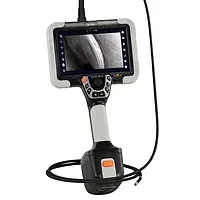
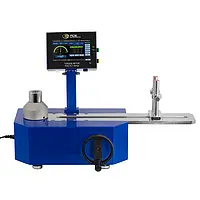
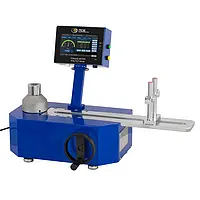
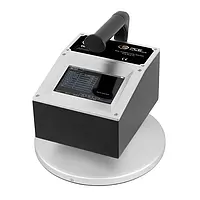
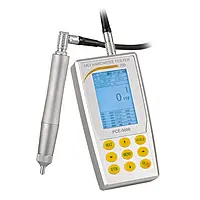
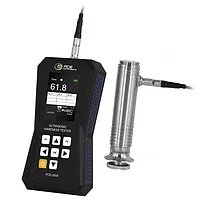
PCE-5000 is a portable material hardness tester that uses the ASTM A1038 ultrasonic contact impedance (UCI) method to measure the hardness of metals and alloys with a minimum thickness of 2 mm / .08 in. Non-destructive testing produces microscopic indentation.
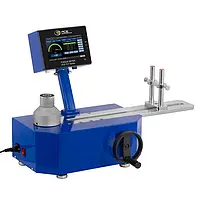
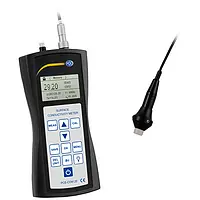
PCE-COM 20 is a portable handheld non-destructive material tester for non-ferrous metals. This non-destructive testing (NDT) device uses eddy current to determine the electrical conductivity of non-ferrous metals such as aluminum and copper. Includes 3 standards for testing.
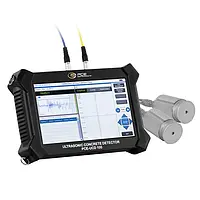
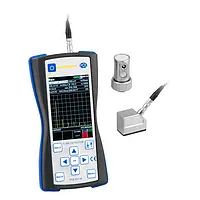
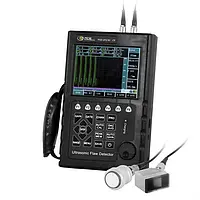
PCE-FD 20 is a material thickness meter with a large LCD screen that displays A-scan maps of ultrasonic signals as well as B-scan cross sections. Ideal for use in mechanical engineering, aerospace and metallurgical applications, this high-frequency material thickness meter uses a contact transducer (two different probes included; 45° and 90°) to measure material thickness and identify flaws and defects such as discontinuity in welds.
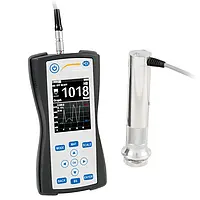
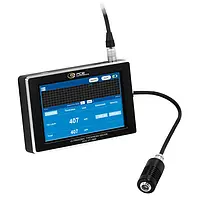
The Ultrasonic Contact Impedance (UCI) durometer PCE-3500 has been designed for the non-destructive hardness measurement of metallic components. A 136° Vickers diamond at the probe is stimulated with its self-resonance to allow the user to very accurately measure hardness of small items, thin-walled items (>1 mm), and surface-hardened layers. Small imprint after measuring for mirrored surfaces.
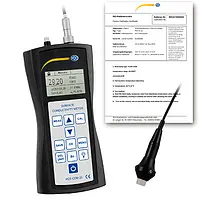

PCE-COM 20-ICA is a portable handheld non-destructive material tester for non-ferrous metals. This non-destructive testing (NDT) device uses eddy current to determine the electrical conductivity of non-ferrous metals such as aluminum and copper. Includes 3 standards for testing.
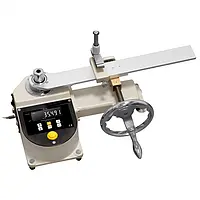

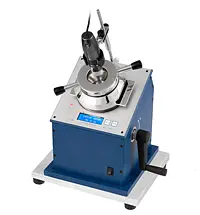
PCE-CPT 20 is a Material Tester, or surface coating flexibility testing device, used for testing the formability, ductility, adhesion and elongation of paints, lacquers, varnishes, powder and protective coatings on sheet metal. Used in manufacturing production, paint shop and quality control applications, the Material Tester aids in determining coating strength, durability and elasticity.
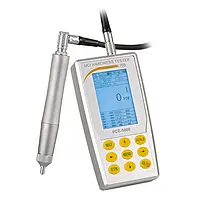
The PCE-5000 is a portable condition monitoring material hardness tester that uses the ASTM A1038 ultrasonic contact impedance (UCI) method to measure the hardness of metals and alloys with a minimum thickness of 2 mm / .08 in. Non-destructive testing produces microscopic indentation.
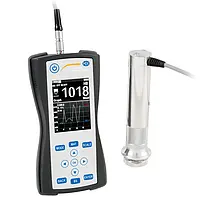
The Ultrasonic Contact Impedance (UCI) durometer PCE-3500 has been designed for the non-destructive hardness measurement of metallic components. A 136° Vickers diamond at the probe is stimulated with its self-resonance to allow the user to very accurately measure hardness of small items, thin-walled items (>1 mm), and surface-hardened layers. Small imprint after measuring for mirrored surfaces and nitrided surfaces.
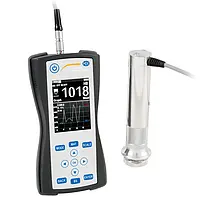
The Ultrasonic Contact Impedance (UCI) durometer PCE-3500 has been designed for the non-destructive hardness measurement of metallic components. A 136° Vickers diamond at the probe is stimulated with its self-resonance to allow the user to very accurately measure hardness of small items, thin-walled items (>1 mm), and surface-hardened layers. Small imprint after measuring for mirrored surfaces and nitrided surfaces.
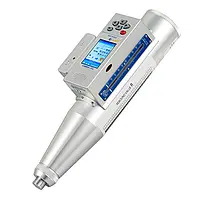
PCE-HT 225E is a material test hammer, also called a concrete rebound hammer or Swiss hammer, used for non-destructive measurements of surface hardness and compression strength. Suitable for use with concrete, rock and building materials, this rebound hammer features a direct digital display, voice functionality, USB port data interface and memory for storing up 200 measurement values.
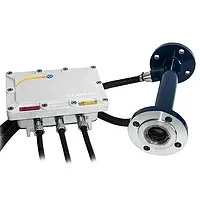
Moisture analyzers for liquid materials are used in boiler installations, water-dosing and diesel oil emulsion dispersion systems. The scope of supply can include the control cabinet to operate the valves regulating water feed. The moisture analyzer for liquid materials has a processing unit with RS232/RS485 interfaces.
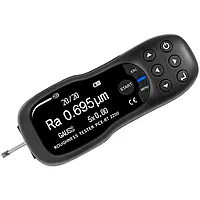
The portable and easy-to-use material tester with an OLED display is particularly suitable for quick and accurate measurements in the workshop or laboratory. The material tester uses a DSP chip for control and data processing at high speed and low energy consumption.
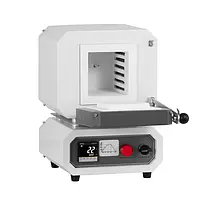
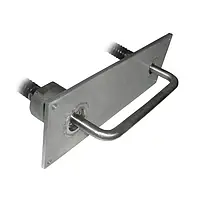
Designed specifically for use real-time measurement of percent moisture measurement of bulk materials. Material in flowing mass, such as granular materials, sand, sawdust, fly ash (mineral), wood chips (surface to 5 cm), grain, powders, seed, and pastes is continuously measurable. Consistent quality of every batch, reduction of the consumption of materials, and shortest possible drying and mixing times are the criteria which are important in materials production.
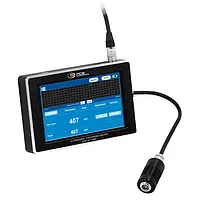
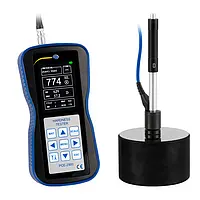
The material hardness tester PCE-2900 has been developed for hardness measurements on metallic materials. The material hardness tester PCE-2900 measures the material hardness in Vickers, Brinell, Rockwell, Leeb and Shore. The material hardness tester PCE-2900 measures the hardness according to the Leeb rebound principle.
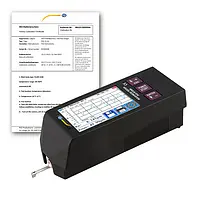
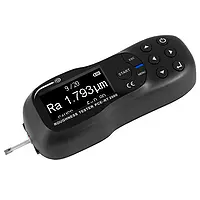

The material surface roughness tester PCE-RT 2000BT is used for accurate measurement of surface roughness. The material tester can be used on all surfaces. The roughness is measured precisely with the roughness measuring device via the piezo probe.
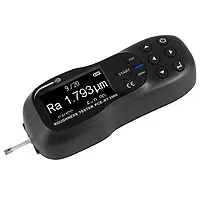
The material surface roughness tester PCE-RT 2000 is used for accurate measurement of surface roughness. The material tester can be used on all surfaces. The roughness is measured precisely with the roughness measuring device via the piezo probe.
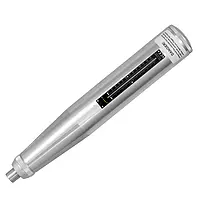
The material tester is an analog measuring device to determine concrete strength. The measuring method of the material tester is based on the Schmidt principle. With this measuring method, a kinetic impact energy hits the concrete from the material tester. The resulting rebound enables the material tester to determine the strength of the concrete.