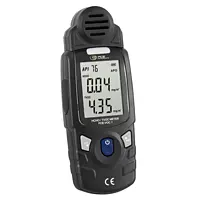
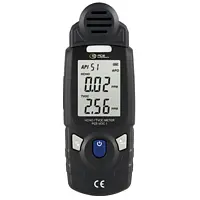
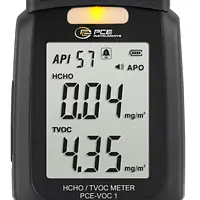
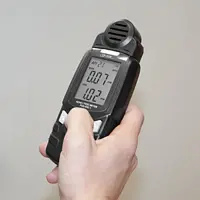
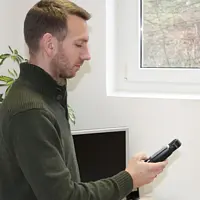
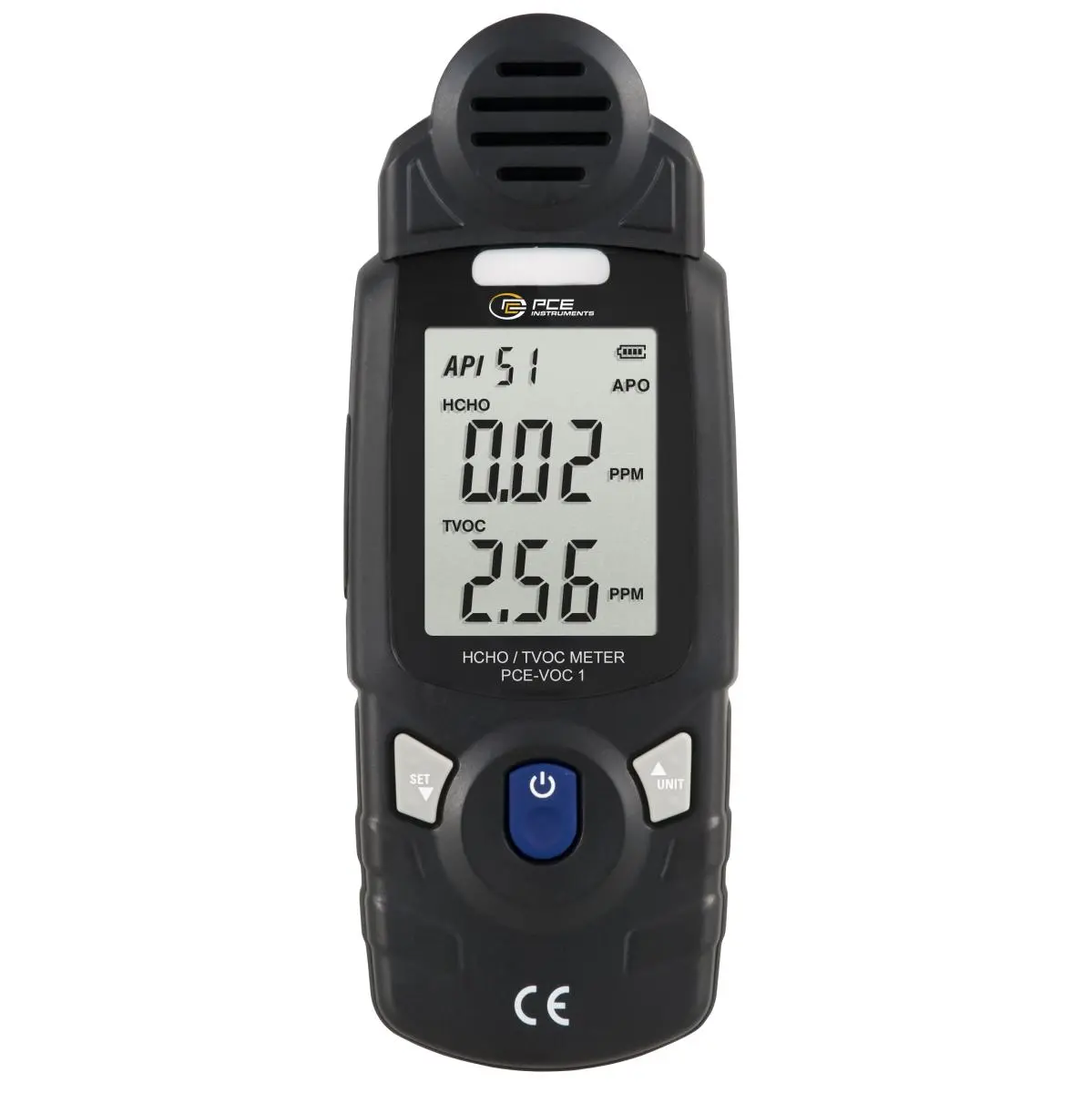
Formaldehyde Meter PCE-VOC 1
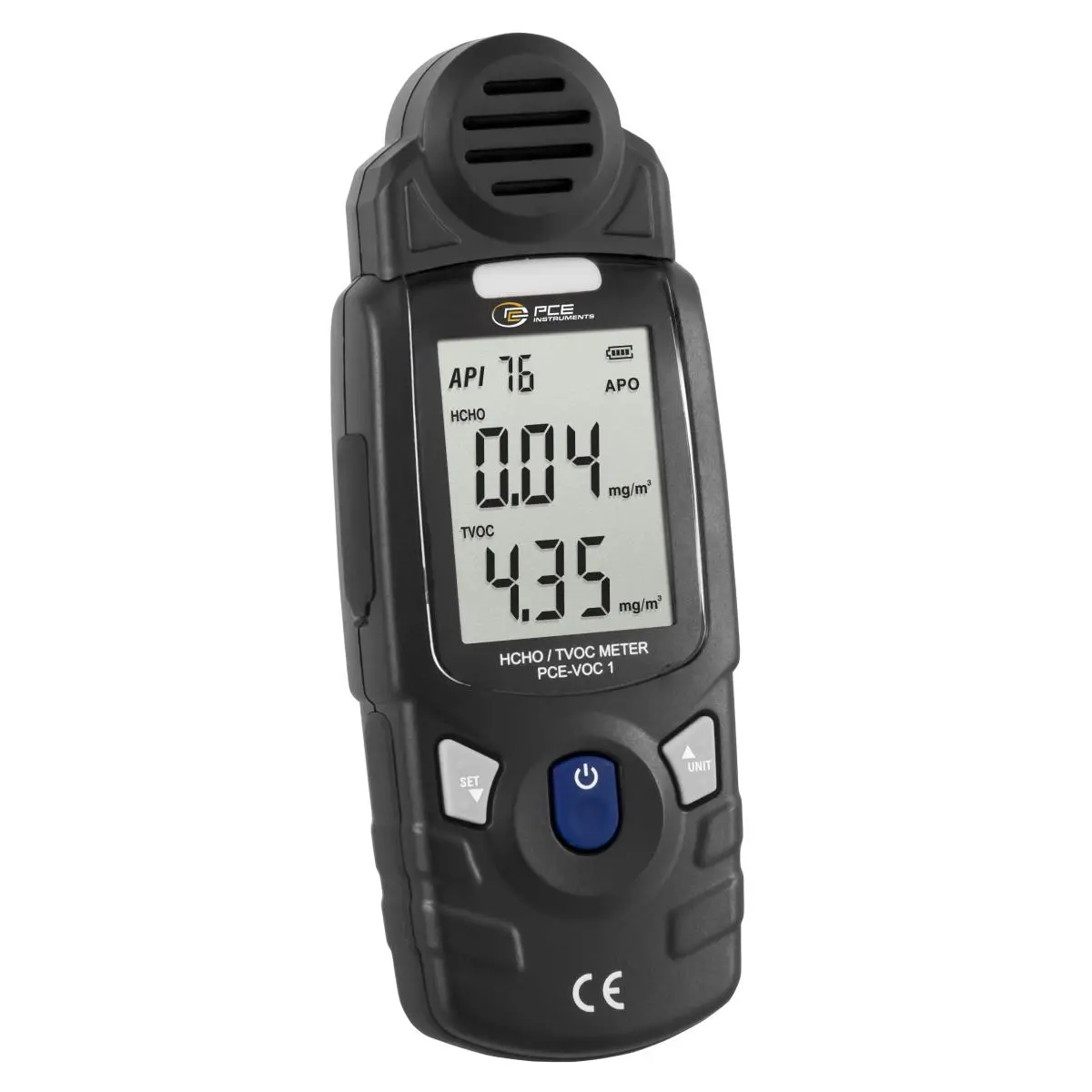
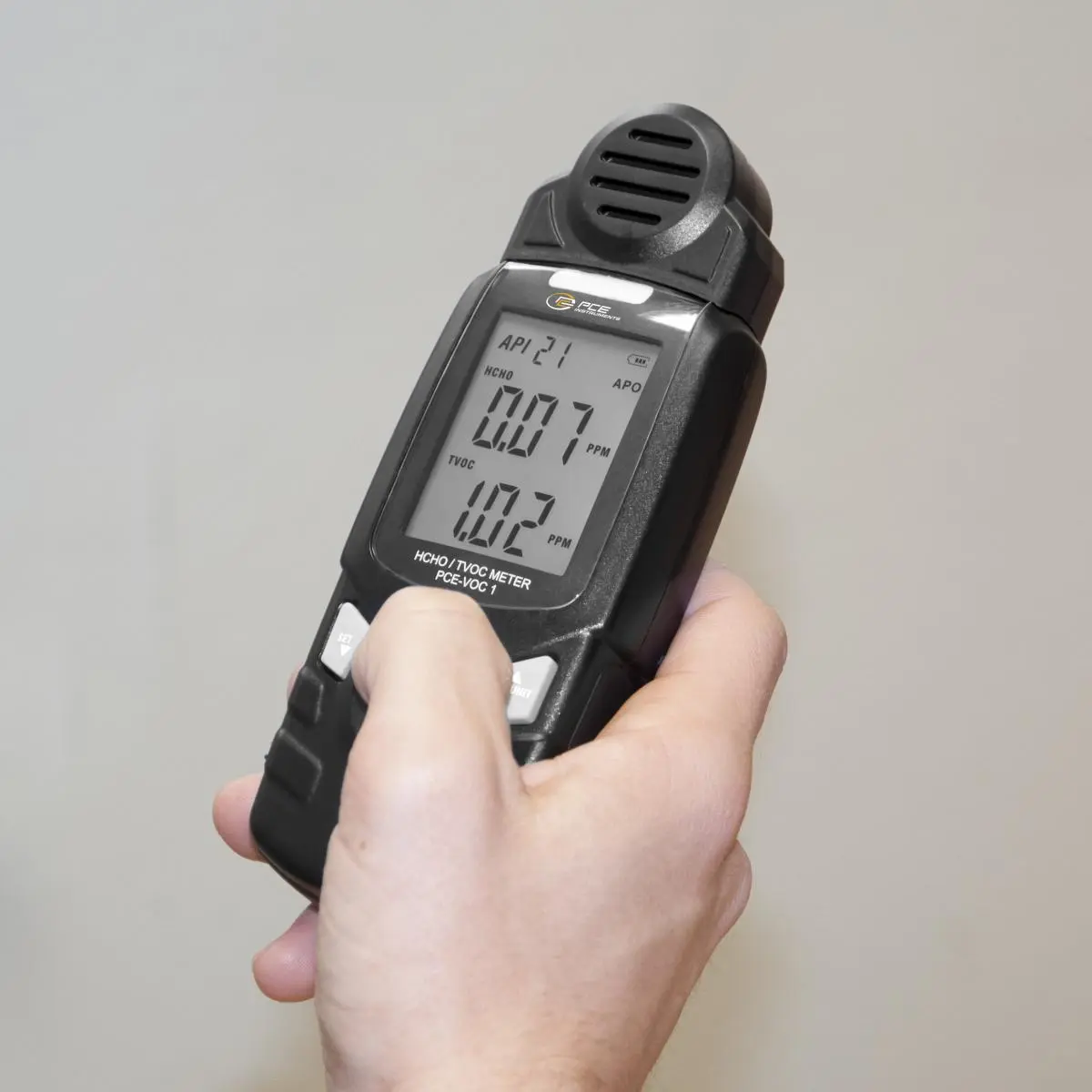
Portable handheld volatile organic compound (VOC) and formaldehyde (HCHO) gas meter for indoor air quality (IAQ) monitoring
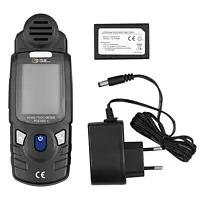
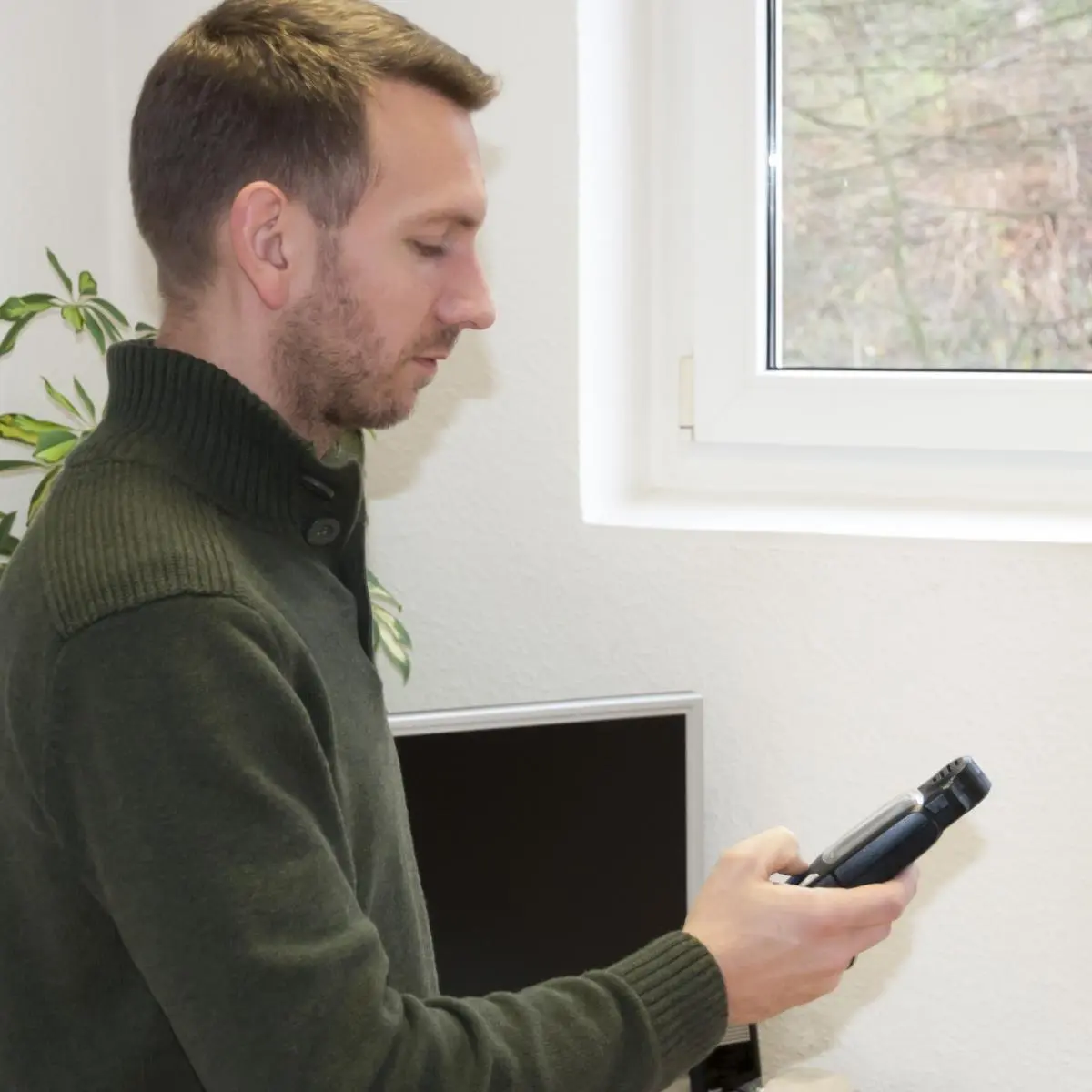
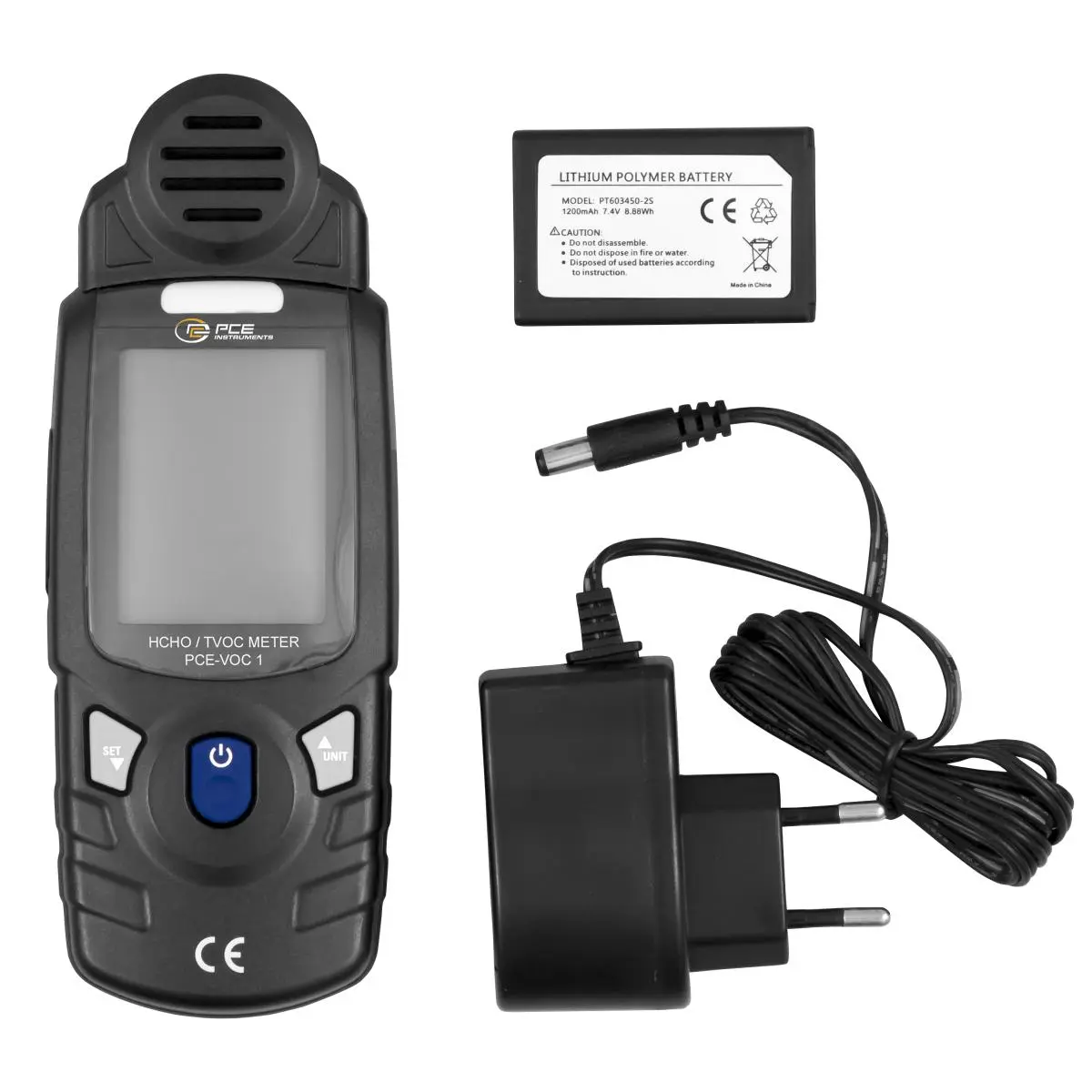
PCE-VOC 1 is a portable handheld volatile organic compound (VOC) and formaldehyde (HCHO) meter or gas leak detector for indoor air quality (IAQ) monitoring applications. This easy-to-use VOC meter is ideal for measuring total volatile organic compound (TVOC) and formaldehyde (HCHO) levels in homes, offices, factories, laboratories, hotels, schools and other indoor environments. The VOC meter's long-lasting rechargeable lithium-polymer (LiPo) battery and included 9V power adapter/charger ensure uninterrupted IAQ monitoring.
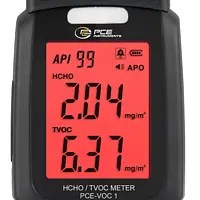
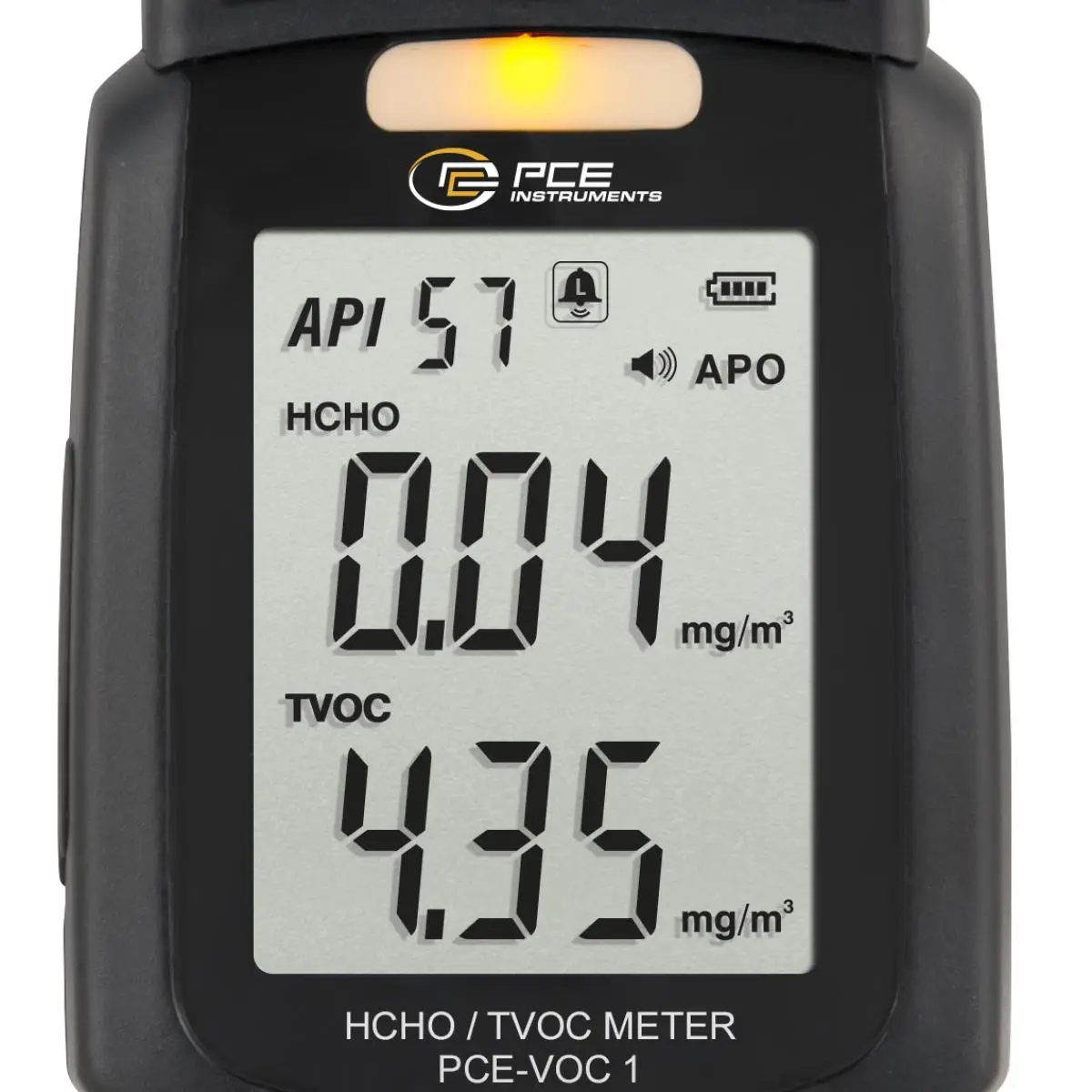
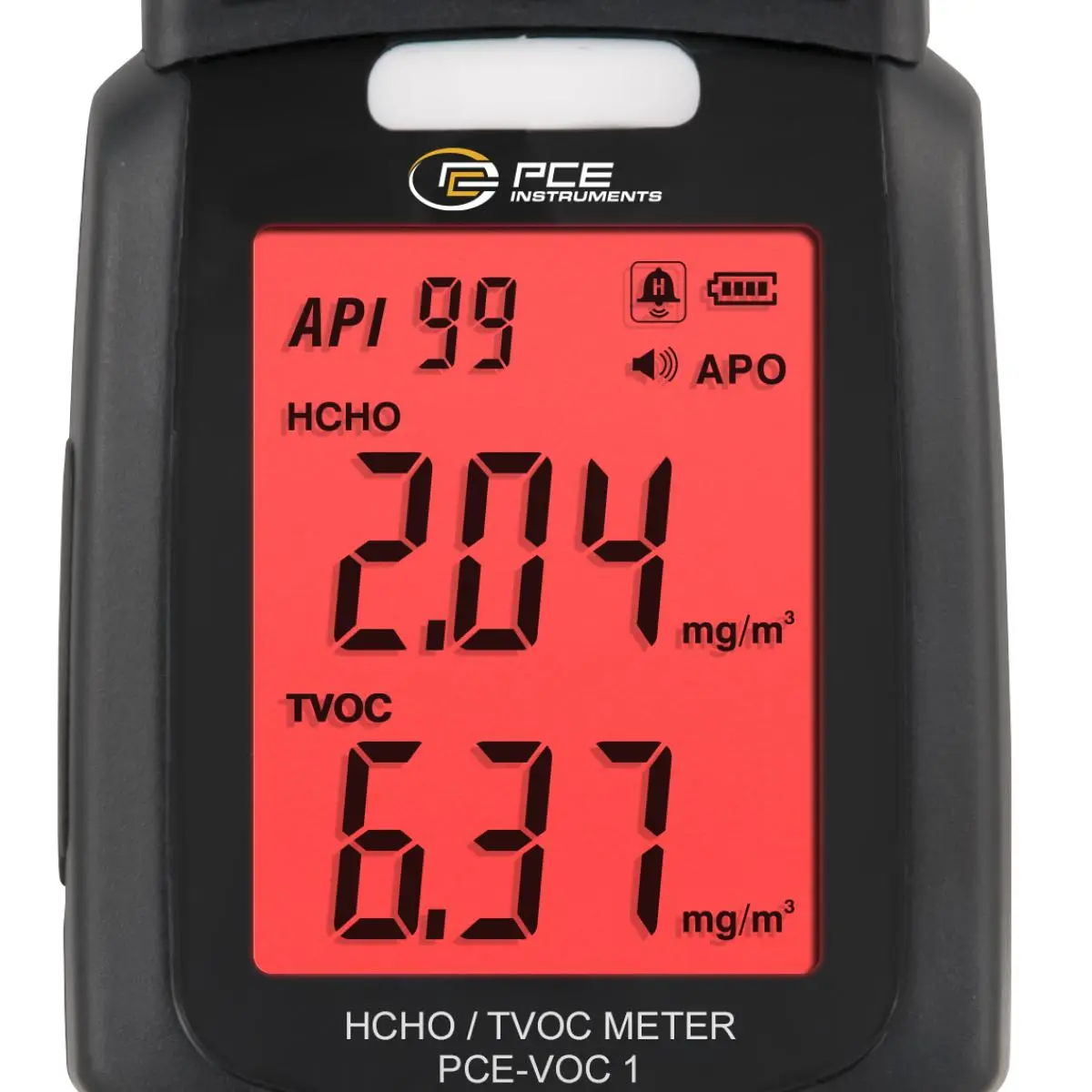
Featuring a compact and lightweight yet heavy-duty design, the VOC meter displays units in parts per million (ppm) or milligrams per cubic meter (mg/m³). In addition to emitting an audible alarm, the device's large, easy-to-read LCD screen turns red when a critical VOC or HCHO level is reached.
Less obvious is the proliferation of various impurities not firmly embedded in products. These impurities can be slowly released from the product's surface into the air. This applies, for example, to residual solvents in plastics (monomers), auxiliaries such as plasticizers, solubilizers, antioxidants, stabilizers and catalysts used in the production process, as well as by-products such as fragrances, flame retardants and biocidal agents. VOCs called terpenes can be released from materials of natural origin, like wood. VOCs also can be formed during reactions between oxygen, ozone or water with natural ingredients in wood and vegetable oils.
| Formaldehyde | |
| Measuring range | 0 ... 5 mg/m³ |
| Resolution | 0,01 mg/m³ |
| Accuracy | ±5 PER CENT FS |
| TVOC | |
| Measuring range | 0 ... 9,99 mg/m³ |
| Resolution | 0,01 mg/m³ |
| Accuracy | ±5 PER CENT FS |
| General technical data | |
| Display type | LCD with backlight |
| Response time Additional information | HCHO: < 2 seconds TVOC: max. 30 minutes |
| Charging time | 2 h |
| Automatic power-off | 30 min |
| Repeatability | 2 % |
| Alarm | optical, Acoustic |
| Menu language | English, English (GB) |
| Protection class (device) | IP20 |
| Power supply | 9V DC / 1 A |
| Connector type | Device-europlug |
| (Rechargeable) battery | 1 x 7,4 V internal , Lithium polymer battery |
| Capacity | 1200 mAh |
| Operating conditions | 0 ... 40 °C , 20 ... 85 (non-condensing)% RH |
| Storage conditions | -10 ... 60 °C , 20 ... 85 (non-condensing)% RH |
| Dimensions ( L x W x H ) | 165 x 60 x 25 mm |
| Weight | 584 g |



 [zoom]
 [zoom]
 [zoom]
 [zoom]
 [zoom]
 [zoom]
 [zoom]


