
£ 365.00
Price excl. VAT &. delivery
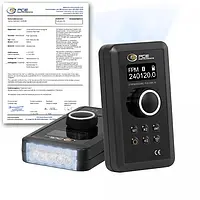
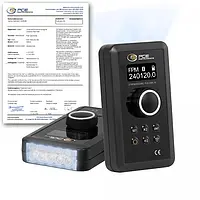
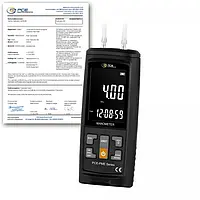
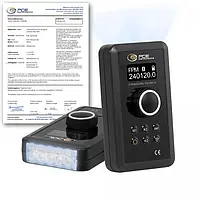
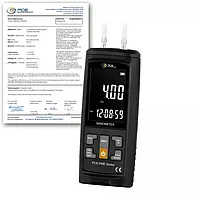
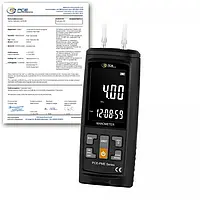
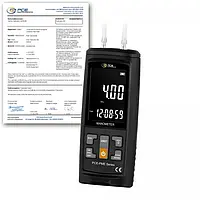
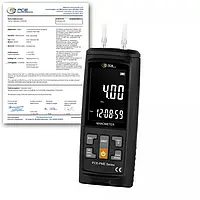
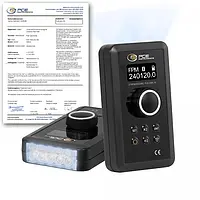

CAL-V-III is an ISO calibration certificate.


With the Condition Monitoring Infrared Thermometer, measurements of surface temperatures can be carried out quickly and easily. Since the Condition Monitoring Infrared Thermometer uses infrared radiation for temperature measurement, no direct contact with the measuring object is required. The Condition Monitoring Infrared Thermometer makes it easy to measure objects from a distance that are difficult to access.
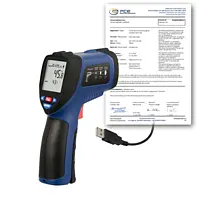
With the PCE-890U-ICA digital thermometer, measurements of surface temperatures can be carried out quickly and easily. Since the digital thermometer uses infrared radiation for temperature measurement, no direct contact with the measuring object is required. The digital thermometer makes it easy to measure objects from a distance that are difficult to access.

With the PCE-890U-ICA HVAC Meter, measurements of surface temperatures can be carried out quickly and easily. Since the HVAC meter uses infrared radiation for temperature measurement, no direct contact with the measuring object is required. The HVAC meter makes it easy to measure objects from a distance that are difficult to access.
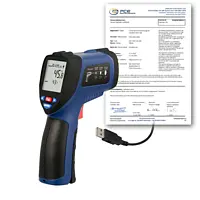
With the PCE-890U-ICA infrared thermometer, measurements of surface temperatures can be carried out quickly and easily. Since the infrared thermometer uses infrared radiation for temperature measurement, no direct contact with the measuring object is required. The infrared thermometer makes it easy to measure objects from a distance that are difficult to access.
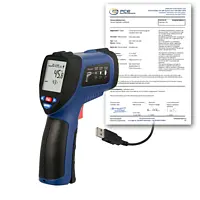
With the PCE-890U-ICA Pyrometer, measurements of surface temperatures can be carried out quickly and easily. Since the pyrometer uses infrared radiation for temperature measurement, no direct contact with the measuring object is required. The pyrometer makes it easy to measure objects from a distance that are difficult to access.

With the PCE-890U-ICA Surface Testing - Temperature Meter, measurements of surface temperatures can be carried out quickly and easily. Since the temperature meter uses infrared radiation for temperature measurement, no direct contact with the measuring object is required. The temperature meter makes it easy to measure objects from a distance that are difficult to access.
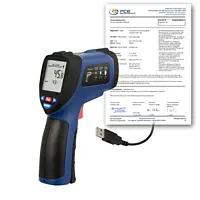
With the PCE-890U-ICA Temperature Meter, measurements of surface temperatures can be carried out quickly and easily. Since the temperature meter uses infrared radiation for temperature measurement, no direct contact with the measuring object is required. The temperature meter makes it easy to measure objects from a distance that are difficult to access.
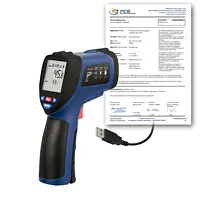
With the PCE-890U-ICA thermometer, measurements of surface temperatures can be carried out quickly and easily. Since the thermometer uses infrared radiation for temperature measurement, no direct contact with the measuring object is required. The thermometer makes it easy to measure objects from a distance that are difficult to access.
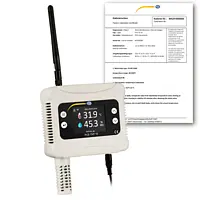
The air humidity meter has a temperature measuring range of -20 … 60 °C and a humidity measuring range of 0 … 99.9% RH. The readings from the air humidity meter can be read directly on the 2.3" color display.
Temperature measurement