£ 1,527.00
Price excl. VAT &. delivery


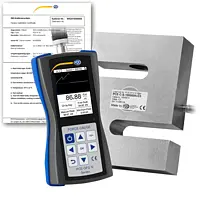
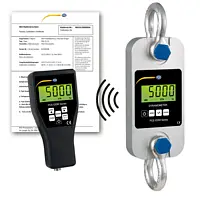
The PCE-DDM 5 Crane Scale is the ideal tool for weighing big loads and for measuring strong tensile forces. The PCE-DDM 5 Crane Scale is delivered in a protective carrying case and includes two shackles made of heavy-duty aluminum. The instrument is manufacturer calibrated, but can be certified to ISO standards for an additional fee.
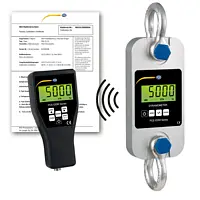
The force gage is ideal for mobile tensile measurements, such as those carried out by surveyors. Quality materials are used in the manufacture of the tension force gage. Despite the high measuring capacity, these materials enable a compact design with a low weight.

The force gauge is ideal for mobile tensile measurements, such as those carried out by surveyors. Quality materials are used in the manufacture of the force gauge. Despite the high measuring capacity, these materials enable a compact design with a low weight.
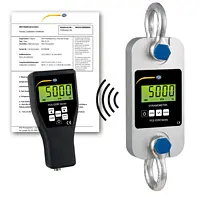
The PCE-DDM 5 Hanging Scale is the ideal tool for weighing big loads and for measuring strong tensile forces. The PCE-DDM 5 Hanging Scale is delivered in a protective carrying case and includes two shackles made of heavy-duty aluminum. The instrument is manufacturer calibrated, but can be certified to ISO standards for an additional fee.
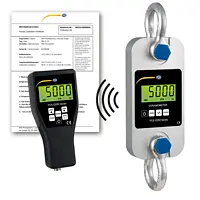
The suspended scale is the ideal tool for weighing big loads and for measuring strong tensile forces. The suspended cale is delivered in a protective carrying case and includes two shackles made of heavy-duty aluminum. The instrument is manufacturer calibrated, but can be certified to ISO standards for an additional fee.
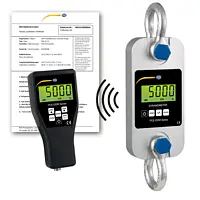
The tension dynamometer is ideal for mobile tensile measurements, such as those carried out by surveyors. Quality materials are used in the manufacture of the tension dynamometer. Despite the high measuring capacity, these materials enable a compact design with a low weight.
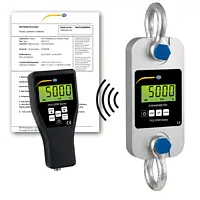
The PCE-DDM 5 Weighing Hook is the ideal tool for weighing big loads and for measuring strong tensile forces. The PCE-DDM 5 Weighing Hook is delivered in a protective carrying case and includes two shackles made of heavy-duty aluminum. The instrument is manufacturer calibrated, but can be certified to ISO standards for an additional fee.
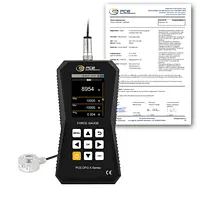

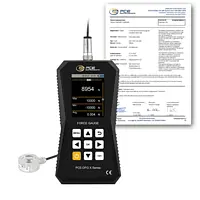
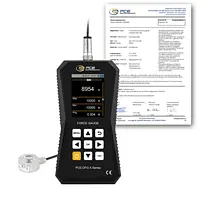
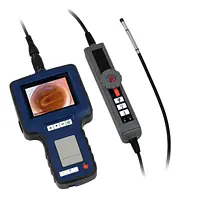
The automotive tester PCE-VE 350HR is a two-way articulating videoscope, industrial endoscope, inspection camera or borescope for the non-destructive inspection (NDI) of hard-to-reach places. The waterproof camera head features 6 LED lights (4 front, 2 side) for optimal illumination. In addition, digital image magnification or zoom of up to 2 times is available, plus boost functionality for improved image quality in the dark.

PCE-VE 350HR is a two-way articulating car measuring device, engine boresope or borescope camera for the non-destructive inspection (NDI) of hard-to-reach places. The waterproof camera head of this kind of car measuring device features 6 LED lights (4 front, 2 side) for optimal illumination. In addition, digital image magnification or zoom of up to 2 times is available, plus boost functionality for improved image quality in the dark.

The PCE-VE 350HR is a two-way articulating condition monitoring inspection camera, industrial endoscope, borescope or videoscope for the non-destructive inspection (NDI) of hard-to-reach places. The waterproof camera head of the condition monitoring inspection camera features 6 LED lights (4 front, 2 side) for optimal illumination. In addition, digital image magnification or zoom of up to 2 times is available, plus boost functionality for improved image quality in the dark.
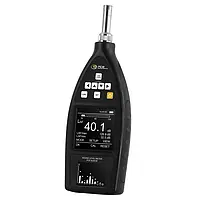
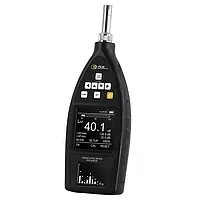
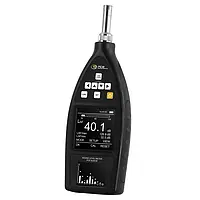
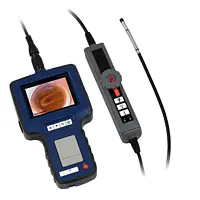
The HVAC Meter PCE-VE 350HR is a two-way articulating videoscope, industrial endoscope, inspection camera or borescope for the non-destructive inspection (NDI) of hard-to-reach places. The waterproof camera head features 6 LED lights (4 front, 2 side) for optimal illumination. In addition, digital image magnification or zoom of up to 2 times is available, plus boost functionality for improved image quality in the dark.
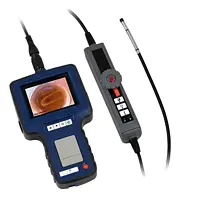
PCE-VE 350HR is a two-way articulating industrial borescope, engine boresope or borescope camera for the non-destructive inspection (NDI) of hard-to-reach places. The waterproof camera head of this kind of borescope features 6 LED lights (4 front, 2 side) for optimal illumination. In addition, digital image magnification or zoom of up to 2 times is available, plus boost functionality for improved image quality in the dark.

PCE-VE 350HR is a two-way articulating inspection camera, industrial endoscope, borescope or videoscope for the non-destructive inspection (NDI) of hard-to-reach places. The waterproof camera head features 6 LED lights (4 front, 2 side) for optimal illumination. In addition, digital image magnification or zoom of up to 2 times is available, plus boost functionality for improved image quality in the dark.

PCE-VE 350HR is a two-way articulating industrial borescope, engine boresope or borescope camera for the non-destructive inspection (NDI) of hard-to-reach places. The waterproof camera head of this kind of borescope features 6 LED lights (4 front, 2 side) for optimal illumination. In addition, digital image magnification or zoom of up to 2 times is available, plus boost functionality for improved image quality in the dark.
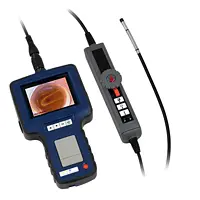
PCE-VE 350HR is a two-way articulating inspection snake camera, industrial endoscope, borescope or videoscope for the non-destructive inspection (NDI) of hard-to-reach places. The waterproof camera head features 6 LED lights (4 front, 2 side) for optimal illumination. In addition, digital image magnification or zoom of up to 2 times is available, plus boost functionality for improved image quality in the dark.
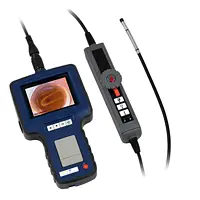
The surface testing PCE-VE 350HR is a two-way articulating inspection camera, industrial endoscope, borescope or videoscope for the non-destructive inspection (NDI) of hard-to-reach places. The waterproof camera head features 6 LED lights (4 front, 2 side) for optimal illumination. In addition, digital image magnification or zoom of up to 2 times is available, plus boost functionality for improved image quality in the dark.
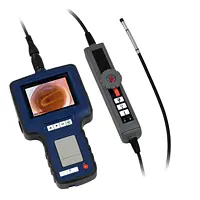
PCE-VE 350HR is a two-way articulating videoscope, industrial endoscope, inspection camera or borescope for the non-destructive inspection (NDI) of hard-to-reach places. The waterproof camera head features 6 LED lights (4 front, 2 side) for optimal illumination. In addition, digital image magnification or zoom of up to 2 times is available, plus boost functionality for improved image quality in the dark.