£ 168.00
Price excl. VAT &. delivery

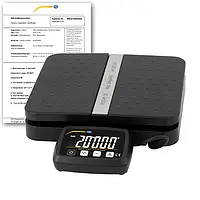
The benchtop scale is a very precise measuring device for determining weights because of its resolution of 1 g and an accuracy of ± 0.1% of measuring range. The display units available on the benchtop scale are lb / oz, kg / g, kg, g, lb, oz.
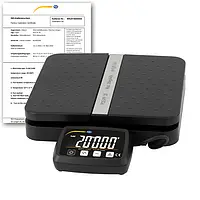
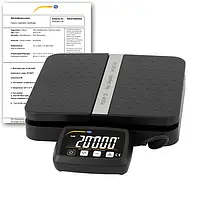
The compact balance is a very precise measuring device for determining weights because of its resolution of 1 g and an accuracy of ± 0.1% of measuring range. The display units available on the compact balance are lb / oz, kg / g, kg, g, lb, oz.
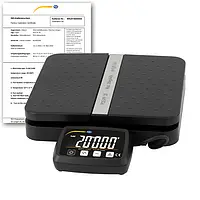
The counting scale is a very precise measuring device for determining weights because of its resolution of 1 g and an accuracy of ± 0.1% of measuring range. The display units available on the counting scale are lb / oz, kg / g, kg, g, lb, oz.
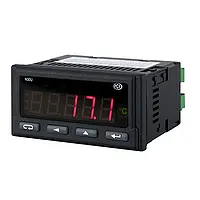
The frequency indicator can process several different input signals, such as 0…410/4010 Ohm, -10…+63 mV DC, -13…+13 V DC, -24…+24 mA DC or signals from thermocouples and resistance thermometers. This makes the frequency indicator applicable in a wide range of applications. The measured values are shown on the large LED display of the frequency indicator.
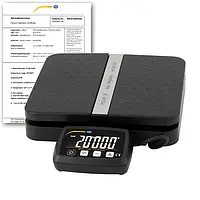
The inventory scale is a very precise measuring device for determining weights because of its resolution of 1 g and an accuracy of ± 0.1% of measuring range. The display units available on the inventory scale are lb / oz, kg / g, kg, g, lb, oz.
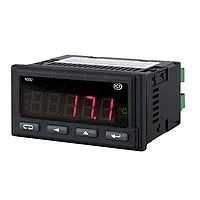
The panel indicator can process several different input signals, such as 0…410/4010 Ohm, -10…+63 mV DC, -13…+13 V DC, -24…+24 mA DC or signals from thermocouples and resistance thermometers. This makes the panel indicator applicable in a wide range of applications. The measured values are shown on the large LED display of the panel indicator.
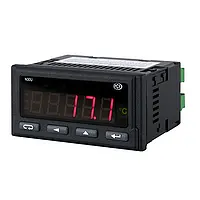
The panel meter can process several different input signals, such as 0…410/4010 Ohm, -10…+63 mV DC, -13…+13 V DC, -24…+24 mA DC or signals from thermocouples and resistance thermometers. This makes the panel meter applicable in a wide range of applications. The measured values are shown on the large LED display of the panel meter.
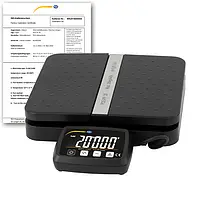
The parcel scale is a very precise measuring device for determining weights because of its resolution of 1 g and an accuracy of ± 0.1% of measuring range. The display units available on the parcel scale are lb / oz, kg / g, kg, g, lb, oz.
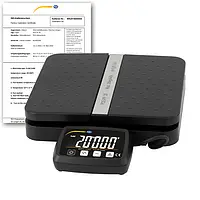
The platform scale is a very precise measuring device for determining weights because of its resolution of 1 g and an accuracy of ± 0.1% of measuring range. The display units available on the platform scale are lb / oz, kg / g, kg, g, lb, oz.
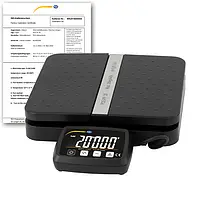
The portable industrial scale is a very precise measuring device for determining weights because of its resolution of 1 g and an accuracy of ± 0.1% of measuring range. The display units available on the portable industrial scale are lb / oz, kg / g, kg, g, lb, oz.
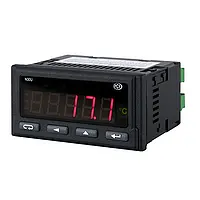
The power indicator can process several different input signals, such as 0…410/4010 Ohm, -10…+63 mV DC, -13…+13 V DC, -24…+24 mA DC or signals from thermocouples and resistance thermometers. This makes the power indicator applicable in a wide range of applications. The measured values are shown on the large LED display of the power indicator.
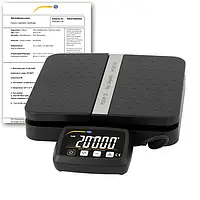
The precision balance is a very precise measuring device for determining weights because of its resolution of 1 g and an accuracy of ± 0.1% of measuring range. The display units available on the precision balance are lb / oz, kg / g, kg, g, lb, oz.
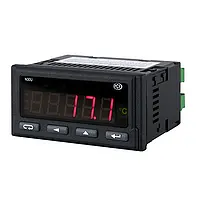
The pressure gauge can process several different input signals, such as 0…410/4010 Ohm, -10…+63 mV DC, -13…+13 V DC, -24…+24 mA DC or signals from thermocouples and resistance thermometers. This makes the pressure gauge applicable in a wide range of applications. The measured values are shown on the large LED display of the pressure gauge.

The pressure indicator can process several different input signals, such as 0…410/4010 Ohm, -10…+63 mV DC, -13…+13 V DC, -24…+24 mA DC or signals from thermocouples and resistance thermometers. This makes the pressure indicator applicable in a wide range of applications. The measured values are shown on the large LED display of the pressure indicator.
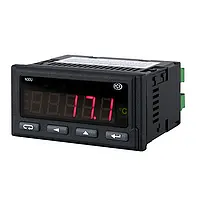
The process indicator can process several different input signals, such as 0…410/4010 Ohm, -10…+63 mV DC, -13…+13 V DC, -24…+24 mA DC or signals from thermocouples and resistance thermometers. This makes the process indicator applicable in a wide range of applications. The measured values are shown on the large LED display of the process indicator.
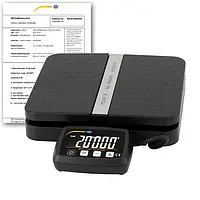
The shipping scale is a very precise measuring device for determining weights because of its resolution of 1 g and an accuracy of ± 0.1% of measuring range. The display units available on the shipping scale are lb / oz, kg / g, kg, g, lb, oz.
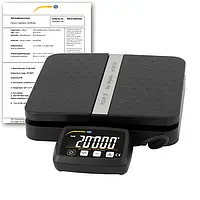
The tabletop scale is a very precise measuring device for determining weights because of its resolution of 1 g and an accuracy of ± 0.1% of measuring range. The display units available on the tabletop scale are lb / oz, kg / g, kg, g, lb, oz.
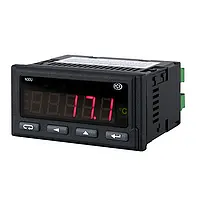
The temperature indicator can process several different input signals, such as 0…410/4010 Ohm, -10…+63 mV DC, -13…+13 V DC, -24…+24 mA DC or signals from thermocouples and resistance thermometers. This makes the digital universal indicator applicable in a wide range of applications. The measured values are shown on the large LED display of the temperature indicator.
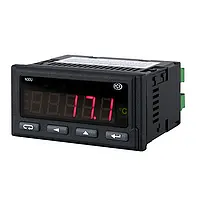
The voltage indicator can process several different input signals, such as 0…410/4010 Ohm, -10…+63 mV DC, -13…+13 V DC, -24…+24 mA DC or signals from thermocouples and resistance thermometers. This makes the voltage indicator applicable in a wide range of applications. The measured values are shown on the large LED display of the voltage indicator.
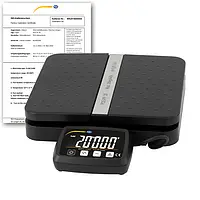
The weighing platform is a very precise measuring device for determining weights because of its resolution of 1 g and an accuracy of ± 0.1% of measuring range. The display units available on the weighing platform are lb / oz, kg / g, kg, g, lb, oz.