

 [zoom]
 [zoom]
 [zoom]
 [zoom]
 [zoom]
 [zoom]
 [zoom]
 [zoom]
 [zoom]
₹23,241.00
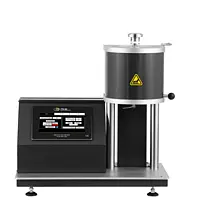
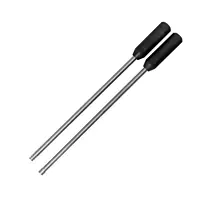
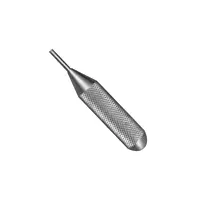

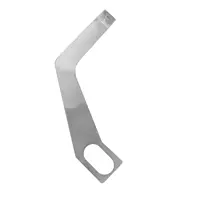
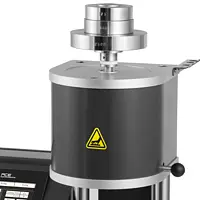
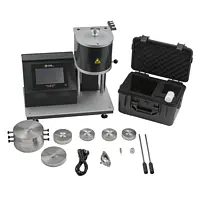
Plastometer up to +400 °C / melting rate up to 400.0 g/10 min
high temperature stability / weights included / 7" TFT touch display
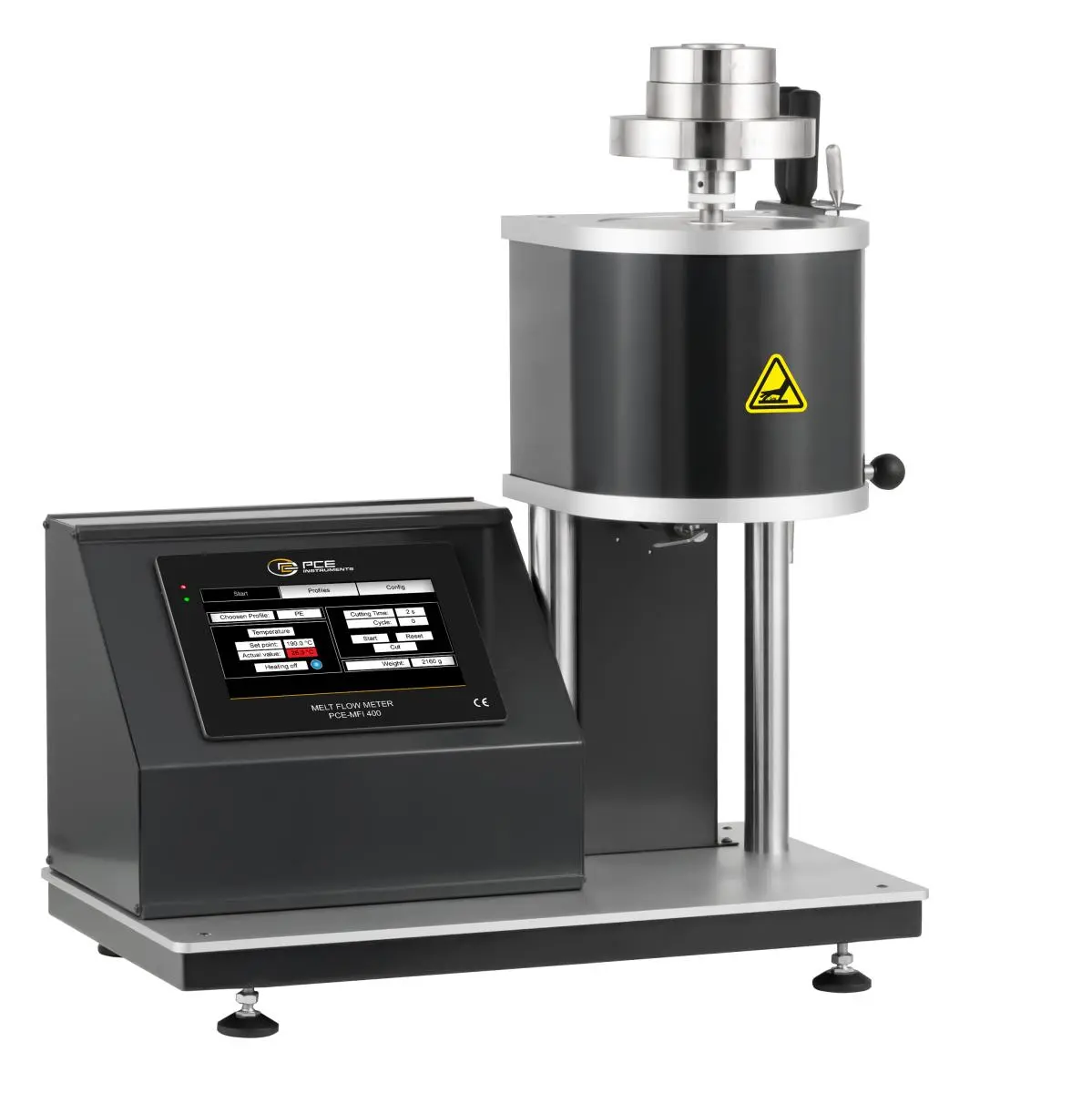
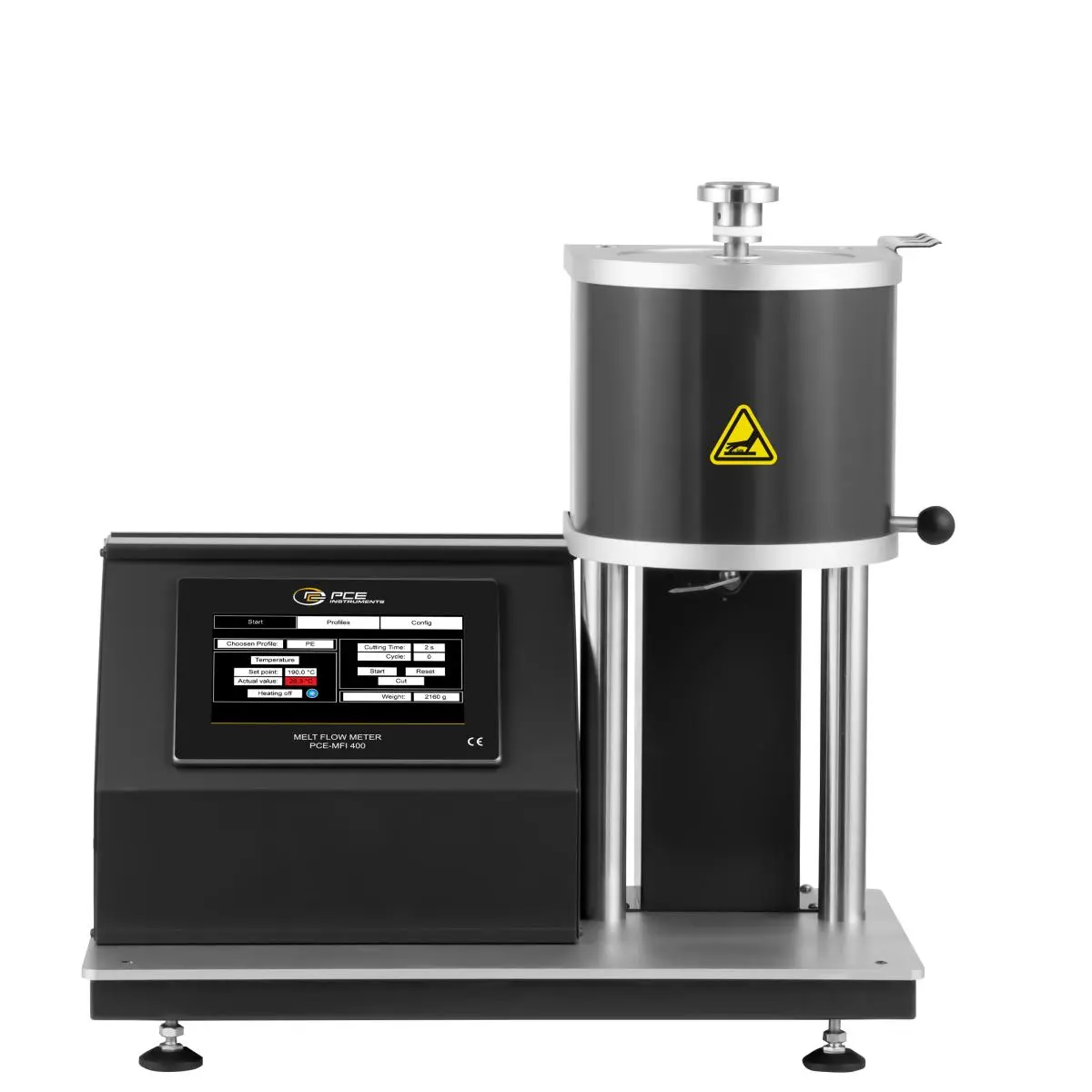
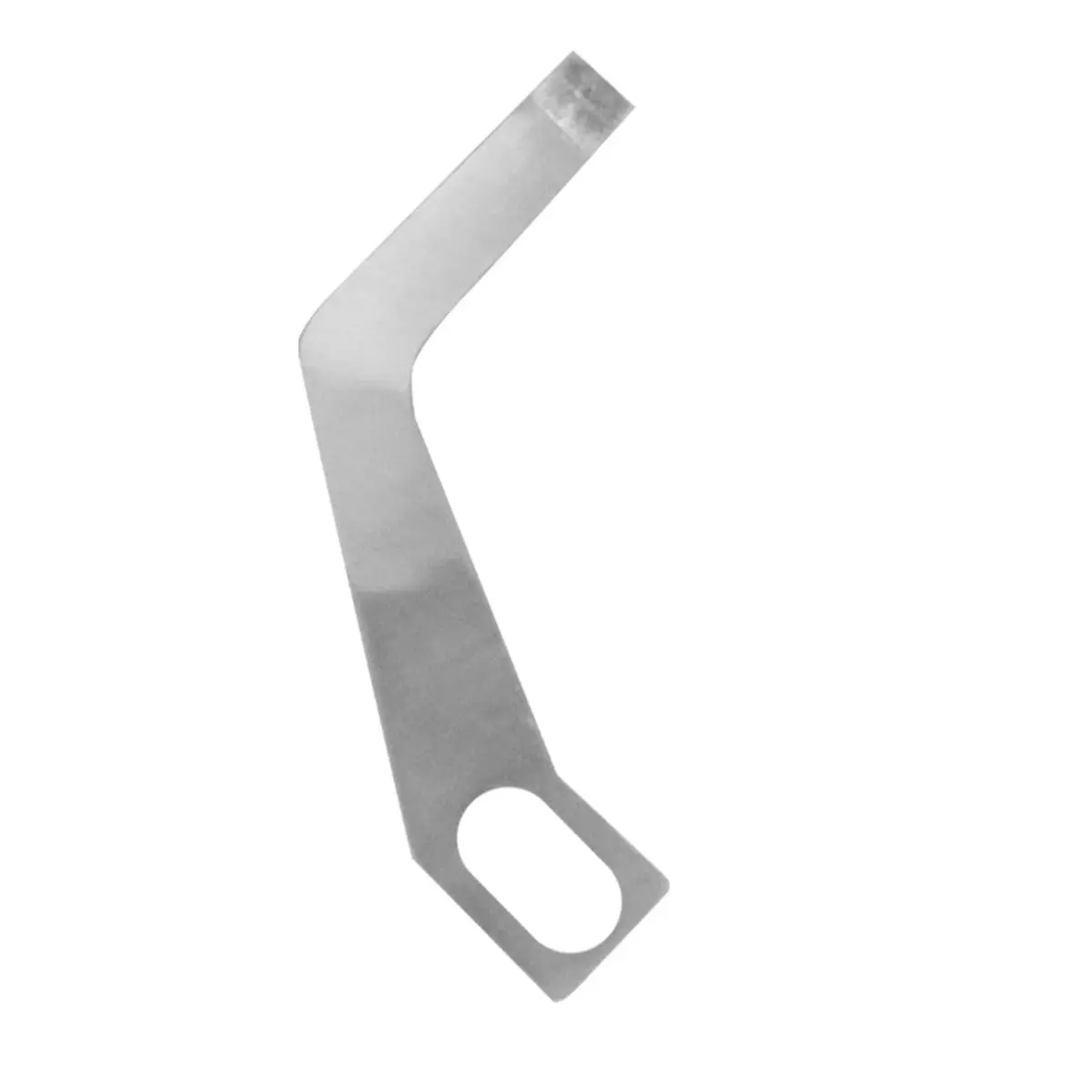
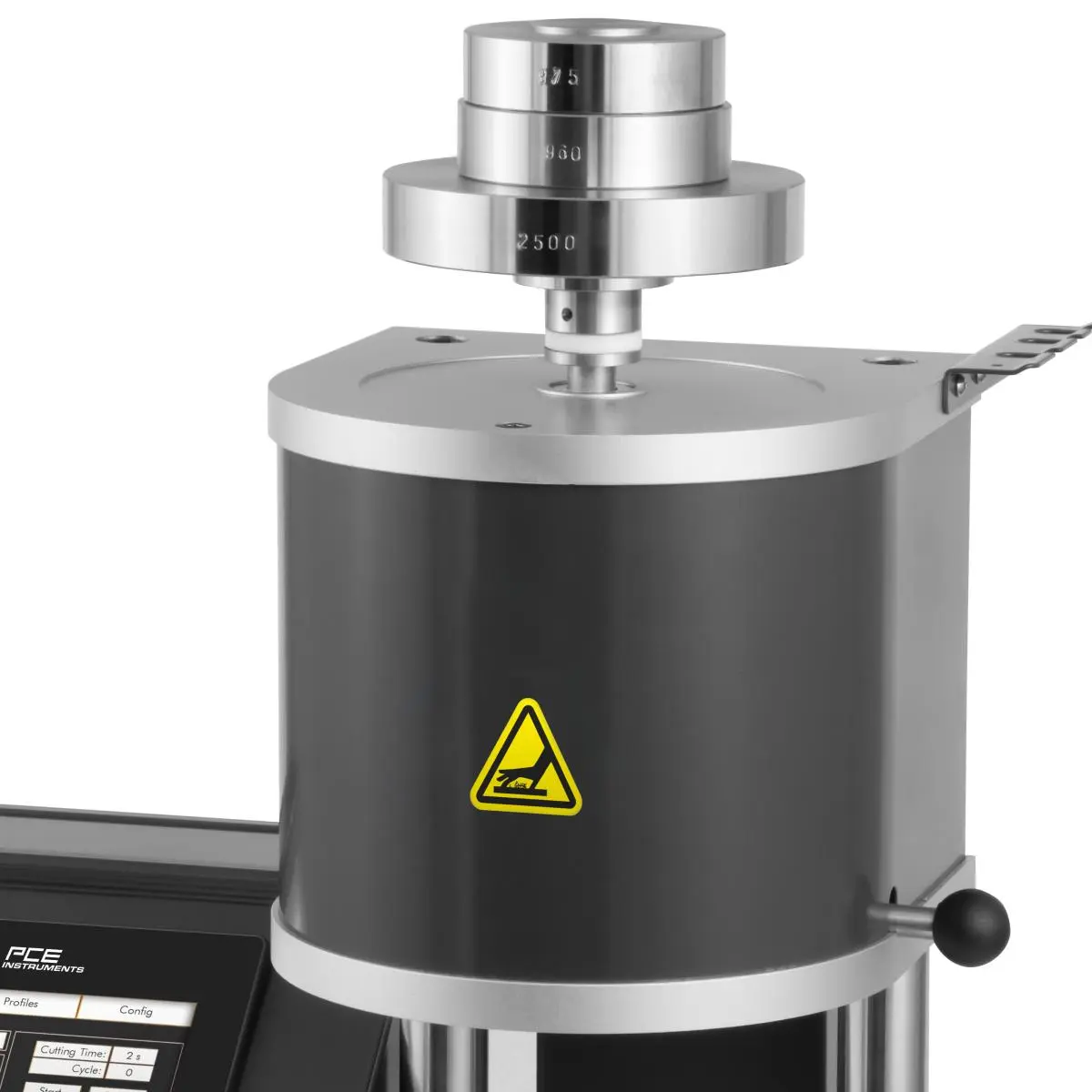
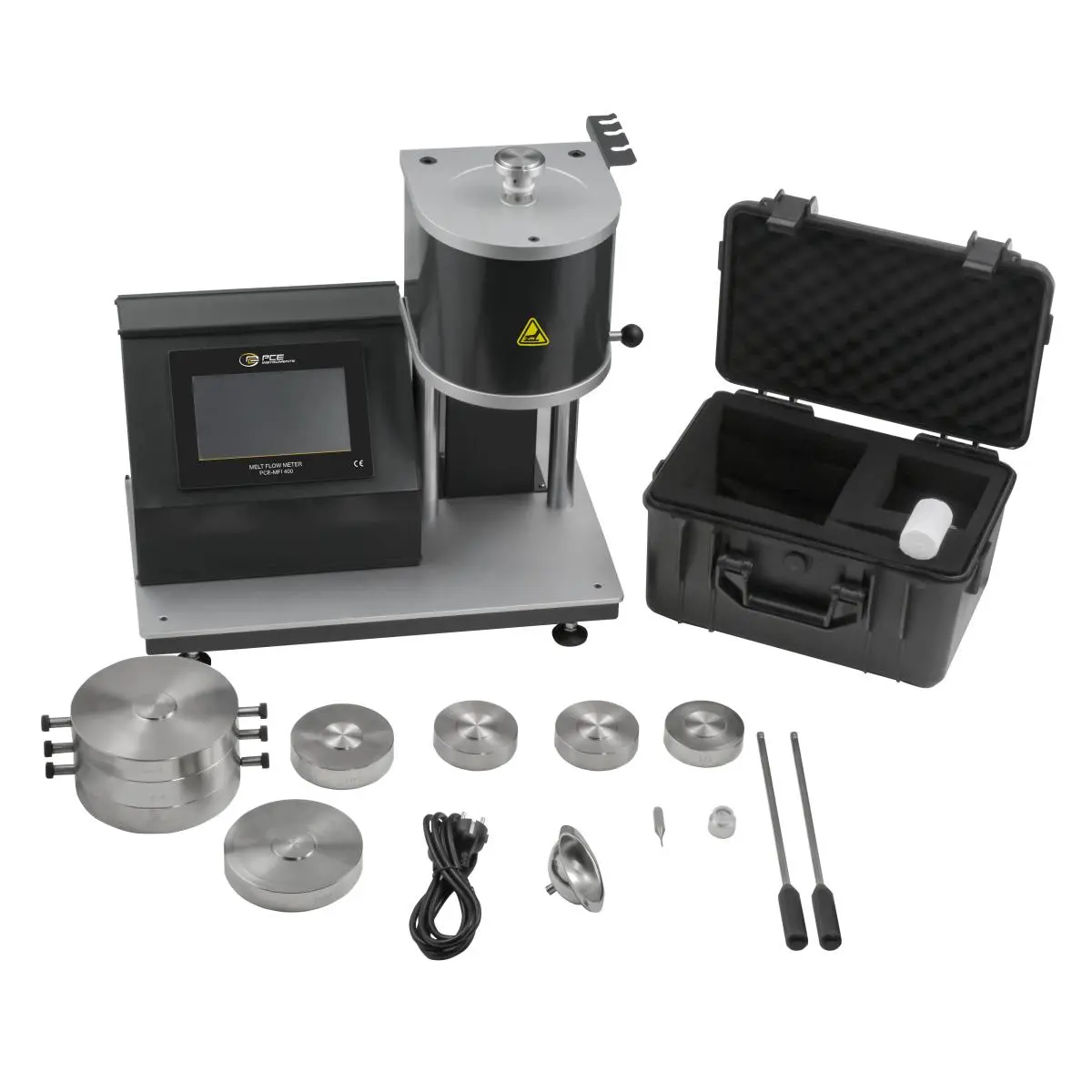
The Plastometer from PCE Instruments is used for fast testing of the melt mass flow rate of plastics. The plastometer is suitable for incoming inspection as well as for production monitoring. Due to the clear presentation of all relevant parameters on the display, the results of the melt index test can be displayed in a short time with the help of the plastometer.  The automatic cutting function increases the reproducibility of the melt flow index test.
Stored standard plastics save the user of the plastometer configuration procedures. The stored plastics include: Polystyrene (PS), Polypropylene (PP), Polyethylene (PE), ABS, Polycarbonate (PC), Polymethylmethacrylate (PMMA), POM, MABS, SAN, E/VAC and others. In addition to the already integrated standard plastics, the test temperatures and test weights according to the standard (ISO 1133) are stored in the plastometer. Plastics with material-specific parameters that are not stored can be permanently added and saved in the plastometer as required.
The plastometer is therefore very well suited for determining the melt flow index rate, which provides information about the flow behaviour or viscosity of plastics at different temperatures and pressures. During this melt flow index test according to ISO 1133, the plastic granulate sample is placed in a preheated cylinder. In the cylinder, the granulate is heated at a material-specific temperature. A piston with a defined mass presses the liquefied melt through a nozzle with a defined diameter by its own weight and an additional weight. After a defined time, the measurement on the plastometer is stopped.  The mass that has flowed through the nozzle is determined by means of the analytical balances, resulting in a mass/time value (g/10min) which is also referred to as the MFR value (Melt Mass Flow Rate) or MFI value (Melt Flow Index). The melt flow index is determined in order to determine the flow behaviour of the thermoplastics. The degree of polymerisation can also be derived from the flow behaviour, which in turn influences the properties of the plastic after injection into the instrument. Since plastics are also sensitive to moisture and partly hygroscopic, an increased moisture content of the granulate in the melting process during the injection moulding can lead to shortened molecular chains and thus to poorer mechanical properties. It is therefore necessary to dry the plastic granules to a suitable moisture level before injection moulding in order to avoid later quality losses in the finished product. The moisture content of plastic granulates can be determined, for example, using moisture analyzer scales.
The PCE-MFI 400 plastometer from PCE Instruments is therefore a suitable instrument for determining the melt mass flow rate for a wide range of thermoplastics. In this way, important parameters for subsequent production can be determined and adjusted prior to manufacture. In this way, the plastometer ensures sustainable quality improvements in the production process, reduces rejects and thus contributes to a sustainable cost reduction.
| Melting rate | |
| Measuring range | 0,1 ... 400 g / 10 min |
| Resolution | 0,1 g / 10 min |
| Temperature | |
| Measuring range | 50 ... 200 °C |
| Resolution | 0,1 °C |
| Accuracy | ±0.5 °C |
| Temperature | |
| Measuring range | 200 ... 300 °C |
| Resolution | 0,1 °C |
| Accuracy | ±1 °C |
| Temperature | |
| Measuring range | 300 ... 400 °C |
| Resolution | 0,1 °C |
| Accuracy | ±1.5 °C |
| General technical data | |
| Display type | LC touch display |
| Display size | 7 Inch |
| Display resolution | 800 x 480 pixels |
| Standard(s) | ISO1133-1997, ASTM 1238-04C, GB/T3682-2000 |
| Automatic power-off from...to | 1 ... 12 h |
| Test specimen | 0.325 ... 21.6 kg |
| Dimensions | Test plunger: Ø 9.48 mm Extrusion nozzle: Ø 2.095 mm |
| Menu language | English, German, English (GB) |
| Protection class (device) | IP30 |
| Power supply | 90 ... 264 V AC |
| Connector type | Schuko plug |
| Operating conditions | 0 ... 50 °C , 20 ... 85 % RH |
| Storage conditions | 0 ... 50 °C , 20 ... 85 % RH |
| Dimensions ( L x W x H ) | 500 x 320 x 500 mm |
| Weight | 15000 g |


