1.069,90 €
Price excl. VAT &. delivery
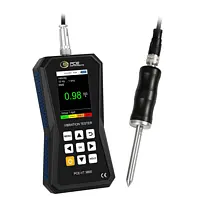
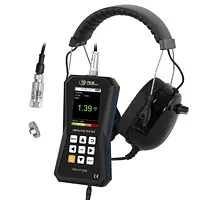
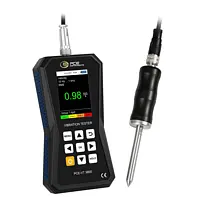
The accelerometer is the ideal companion for checking vibrating parts, machines and systems. With the external vibration sensor on the accelerometer, the vibration displacement up to 3.9 mm, the vibration velocity up to 399.9 mm/s and the vibration acceleration up to 399.9 m/s² can be determined.
Measuring ranges
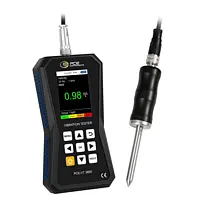
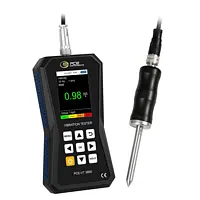
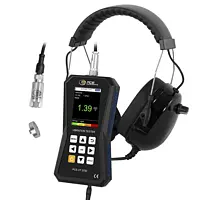
The HVAC meter is the ideal companion for checking vibrating parts, machines and systems. With the external vibration sensor on the HVAC meter, the vibration displacement up to 3.9 mm, the vibration velocity up to 399.9 mm/s and the vibration acceleration up to 399.9 m/s² can be determined.
Measuring ranges
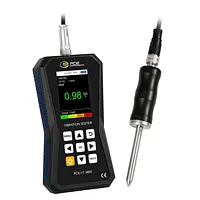
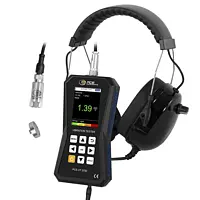
The vibration analyzer is the ideal companion for checking vibrating parts, machines and systems. With the external vibration sensor on the vibration analyzer, the vibration displacement up to 3.9 mm, the vibration velocity up to 399.9 mm/s and the vibration acceleration up to 399.9 m/s² can be determined.
Measuring ranges
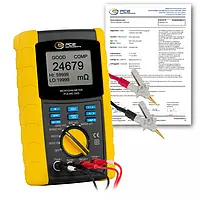

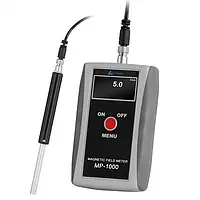
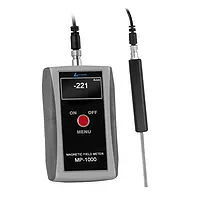
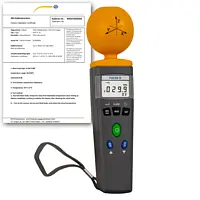
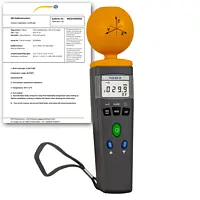
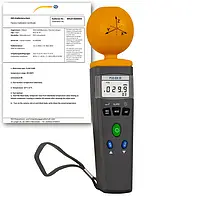
The electromagnetic field (EMF) meter has a 3-axis circular probe for detecting electromagnetic radiation. This makes the electromagnetic field (EMF) meter equally suitable for assessing magnetic fields generated by computer monitors, televisions, industrial equipment (magnetic separators, electric motors, inert gas welding equipment…).
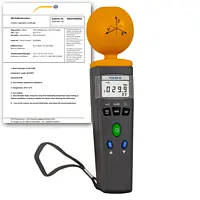
The electromagnetic radiation detector has a 3-axis circular probe for detecting electromagnetic radiation. This makes the electromagnetic radiation detector equally suitable for assessing magnetic fields generated by computer monitors, televisions, industrial equipment (magnetic separators, electric motors, inert gas welding equipment…).
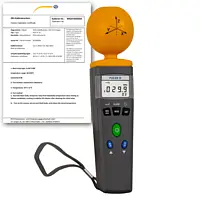
The EMF test device has a 3-axis circular probe for detecting electromagnetic radiation. This makes the EMF test device equally suitable for assessing magnetic fields generated by computer monitors, televisions, industrial equipment (magnetic separators, electric motors, inert gas welding equipment…).


The PCE-TG 300-NO5/90 is a condition monitoring material thickness meter for measuring wall thickness. In general, the wall thicknesses of all homogeneous materials can be measured with the condition monitoring material thickness meter. Wall thicknesses under a coating can also be measured with the condition monitoring material thickness meter.
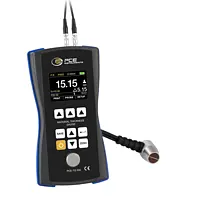
The PCE-TG 300-NO5/90 is an IoT meter for measuring wall thickness. In general, the wall thicknesses of all homogeneous materials can be measured with the IoT meter. Wall thicknesses under a coating can also be measured with the IoT meter.
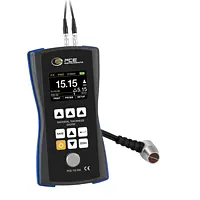
The PCE-TG 300-NO5/90 is a material tester for measuring wall thickness. In general, the wall thicknesses of all homogeneous materials can be measured with the material tester. Wall thicknesses under a coating can also be measured with the material tester.
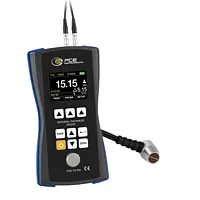
The PCE-TG 300-NO5/90 is a material thickness meter for measuring wall thickness. In general, the wall thicknesses of all homogeneous materials can be measured with the material thickness meter. Wall thicknesses under a coating can also be measured with the material thickness meter.
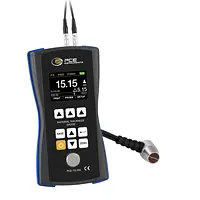
The PCE-TG 300-NO5/90 is an NDT test instrument for measuring wall thickness. In general, the wall thicknesses of all homogeneous materials can be measured with the NDT test instrument. Wall thicknesses under a coating can also be measured with the NDT test instrument.

The PCE-TG 300-NO5/90 is a paint thickness tester for measuring wall thickness. In general, the wall thicknesses of all homogeneous materials can be measured with the paint thickness tester. Wall thicknesses under a coating can also be measured with the paint thickness tester.
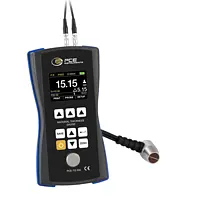
The PCE-TG 300-NO5/90 is a thickness gauge for measuring wall thickness. In general, the wall thicknesses of all homogeneous materials can be measured with the thickness gauge. Wall thicknesses under a coating can also be measured with the thickness gauge.
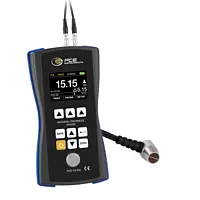
The PCE-TG 300-NO5/90 is a thickness meter for measuring wall thickness. In general, the wall thicknesses of all homogeneous materials can be measured with the thickness meter. Wall thicknesses under a coating can also be measured with the thickness meter.
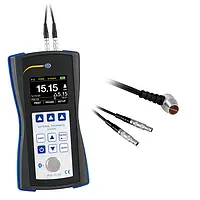

The PCE-TG 300-NO5/90 is an Ultrasonic testing device for measuring wall thickness. In general, the wall thicknesses of all homogeneous materials can be measured with the Ultrasonic testing device. Wall thicknesses under a coating can also be measured with the Ultrasonic testing device.

The PCE-TG 300-NO5/90 is an ultrasonic thickness gauge for measuring wall thickness. In general, the wall thicknesses of all homogeneous materials can be measured with the ultrasonic thickness gauge. Wall thicknesses under a coating can also be measured with the ultrasonic thickness gauge.

The PCE-TG 300-NO5/90 is an ultrasonic thickness tester for measuring wall thickness. In general, the wall thicknesses of all homogeneous materials can be measured with the ultrasonic thickness tester. Wall thicknesses under a coating can also be measured with the ultrasonic thickness tester.
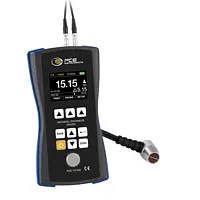
The PCE-TG 300-NO5/90 is a wall thickness meter for measuring wall thickness. In general, the wall thicknesses of all homogeneous materials can be measured with the wall thickness meter. Wall thicknesses under a coating can also be measured with the wall thickness meter.