
4.849,90 €
Price excl. VAT &. delivery
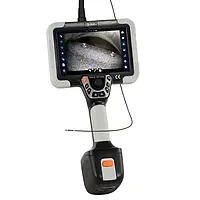

With this NDT test instrument, weld seams, wear and tear and damage can be assessed quickly and easily in order to make quick diagnoses. The sheathing of the endoscope cable from the NDT test instrument consists of braided tungsten.
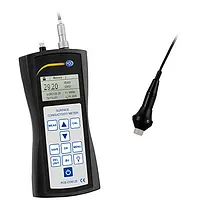
PCE-COM 20 is a portable handheld non-destructive conductivity tester for non-ferrous metals. This non-destructive testing (NDT) device uses eddy current to determine the electrical conductivity of non-ferrous metals such as aluminum and copper. Includes 3 standards for testing.
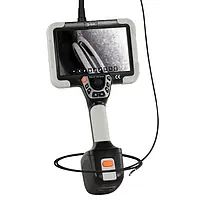
With this NDT test instrument, weld seams, wear and tear and damage can be assessed quickly and easily in order to make quick diagnoses. The sheathing of the endoscope cable from the NDT test instrument consists of braided tungsten.
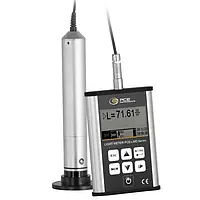
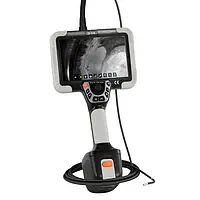
With this NDT test instrument, weld seams, wear and tear and damage can be assessed quickly and easily in order to make quick diagnoses. The sheathing of the endoscope cable from the NDT test instrument consists of braided tungsten.
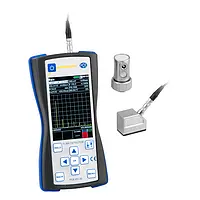
PCE-FD 20 is a portable ultrasonic tester or ultrasonic thickness gauge with a large LCD screen that displays A-scan maps of ultrasonic signals as well as B-scan cross sections. Ideal for use in mechanical engineering, aerospace and metallurgical applications, this high-frequency ultrasound-based thickness meter uses a contact transducer (two different probes included; 45° and 90°) to measure material thickness and identify flaws and defects such as discontinuity in welds. These test instruments are calibrated by the manufacturer. An ISO calibration certificate is an option.
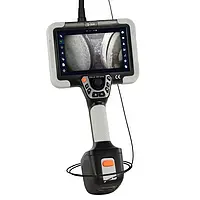
With this NDT test instrument, weld seams, wear and tear and damage can be assessed quickly and easily in order to make quick diagnoses. The sheathing of the endoscope cable from the NDT test instrument consists of braided tungsten.
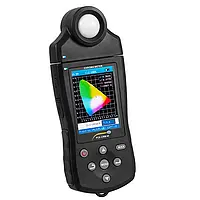
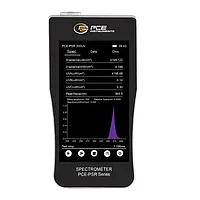
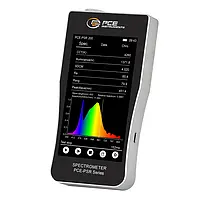
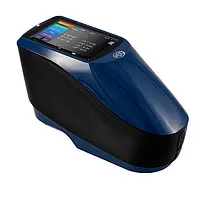
PCE-CRM 40 is a portable handheld lux meter used to accurately measure the correlated color temperature (CCT - in Kelvin), illuminance, chromaticity, excitation purity (Pe), luminous flux (in lumens - lm), RGB and dominant wavelength of light sources such as LED, organic LED (OLED) and other forms of organic electroluminescence (EL).
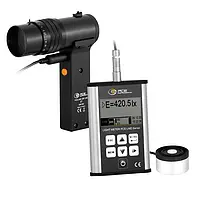
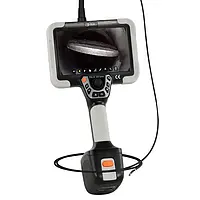
With this NDT test instrument, weld seams, wear and tear and damage can be assessed quickly and easily in order to make quick diagnoses. The sheathing of the endoscope cable from the NDT test instrument consists of braided tungsten.
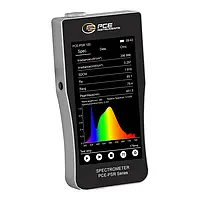
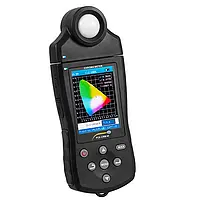
PCE-CRM 40 is a portable handheld LED spectrometer or spectrophotometer used to accurately measure the correlated color temperature (CCT - in Kelvin), illuminance, chromaticity, excitation purity (Pe), luminous flux (in lumens - lm), RGB and dominant wavelength of light sources such as LED, organic LED (OLED) and other forms of organic electroluminescence (EL).
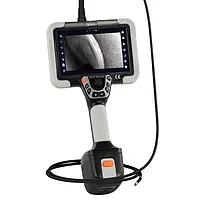
With this NDT test instrument, weld seams, wear and tear and damage can be assessed quickly and easily in order to make quick diagnoses. The sheathing of the endoscope cable from the NDT test instrument consists of braided tungsten.
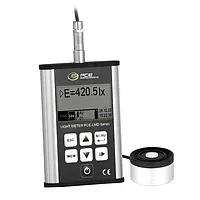
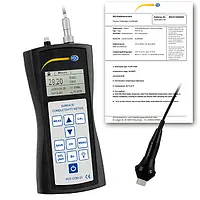

PCE-COM 20-ICA is a portable handheld non-destructive conductivity tester for non-ferrous metals. This non-destructive testing (NDT) device uses eddy current to determine the electrical conductivity of non-ferrous metals such as aluminum and copper. Includes 3 standards for testing.
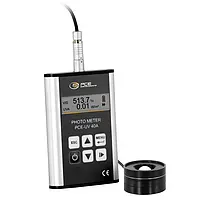
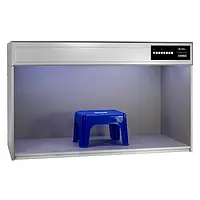
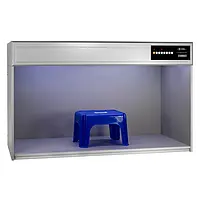
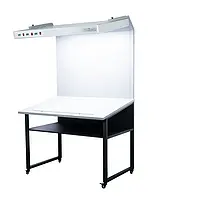
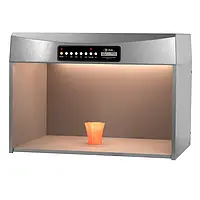
A color viewing box is used wherever products must have the same color properties during production. A color viewing box contributes to quality control. The color viewing box is a simulation instrument which is capable of displaying certain situations in order to analyze color characteristics of individual samples by means of different light types.
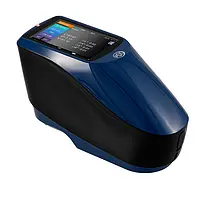
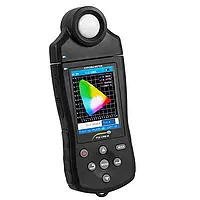
PCE-CRM 40 is a portable handheld LED light meter or spectrophotometer used to accurately measure the correlated color temperature (CCT - in Kelvin), illuminance, chromaticity, excitation purity (Pe), luminous flux (in lumens - lm), RGB and dominant wavelength of light sources such as LED, organic LED (OLED) and other forms of organic electroluminescence (EL).
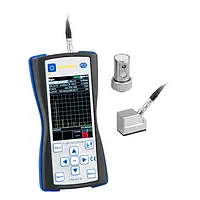
PCE-FD 20 is a portable ultrasonic defectoscope with a large LCD screen that displays A-scan maps of ultrasonic signals as well as B-scan cross sections. Ideal for use in mechanical engineering, aerospace and metallurgical applications, this high-frequency ultrasound-based defectoscope uses a contact transducer (two different probes included; 45° and 90°) to measure material thickness and identify flaws and defects such as discontinuity in welds.
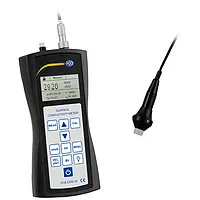
PCE-COM 20 is a portable handheld non-destructive material tester for non-ferrous metals. This non-destructive testing (NDT) device uses eddy current to determine the electrical conductivity of non-ferrous metals such as aluminum and copper. Includes 3 standards for testing.
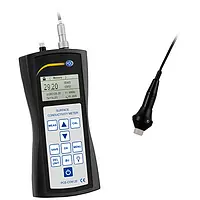
PCE-COM 20 is a portable handheld non-destructive conductivity tester for non-ferrous metals. This non-destructive testing (NDT) device uses eddy current to determine the electrical conductivity of non-ferrous metals such as aluminum and copper. Includes 3 standards for testing.
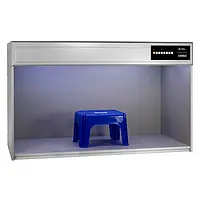
A color matching cabinet is used wherever products must have the same color properties during production. A color matching cabinet contributes to quality control. The color matching cabinet is a simulation instrument which is capable of displaying certain situations in order to analyze color characteristics of individual samples by means of different light types.
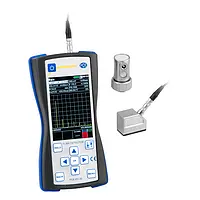
PCE-FD 20 is a portable ultrasonic flaw detector with a large LCD screen that displays A-scan maps of ultrasonic signals as well as B-scan cross sections. Ideal for use in mechanical engineering, aerospace and metallurgical applications, this high-frequency ultrasound-based flaw detector uses a contact transducer (two different probes included; 45° and 90°) to measure material thickness and identify flaws and defects such as discontinuity in welds.
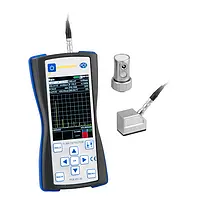
PCE-FD 20 is a portable ultrasonic tester or ultrasonic thickness gauge with a large LCD screen that displays A-scan maps of ultrasonic signals as well as B-scan cross sections. Ideal for use in mechanical engineering, aerospace and metallurgical applications, this high-frequency ultrasound-based thickness meter uses a contact transducer (two different probes included; 45° and 90°) to measure material thickness and identify flaws and defects such as discontinuity in welds.