The crane scale has a measuring range of 0 … 1000 kg and a resolution of 0.1 kg. With an accuracy of 1% of the measuring range, the crane scale is also a precise measuring device. This is why the crane scale is used, for example, when weighing raw materials.
The force gage has a measuring range of 0 … 1000 kg and a resolution of 0.1 kg. With an accuracy of 1% of the measuring range, the force gage is also a precise measuring device. This is why the force gage is used, for example, when weighing raw materials.
The hanging scales have a measuring range of 0 … 1000 kg and a resolution of 0.1 kg. With an accuracy of 1% of the measuring range, the hanging scales are also a precise measuring device. This is why the hanging scales are used, for example, when weighing raw materials.
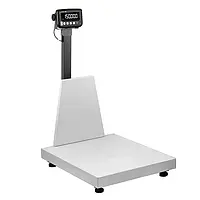
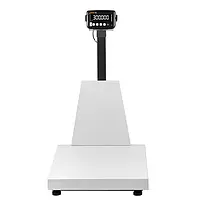
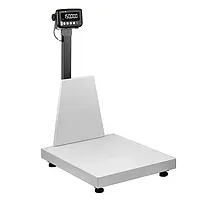
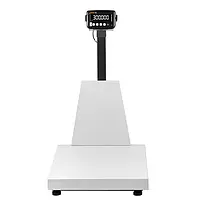
The heavy duty scale has a measuring range of 0 … 1000 kg and a resolution of 0.1 kg. With an accuracy of 1% of the measuring range, the heavy duty scale is also a precise measuring device. This is why the heavy duty scale is used, for example, when weighing raw materials.
The industrial scale has a measuring range of 0 … 1000 kg and a resolution of 0.1 kg. With an accuracy of 1% of the measuring range, the industrial scale is also a precise measuring device. This is why the industrial scale is used, for example, when weighing raw materials.
The Suspended Scale has a measuring range of 0 … 1000 kg and a resolution of 0.1 kg. With an accuracy of 1% of the measuring range, the Suspended Scale is also a precise measuring device. This is why the Suspended Scale is used, for example, when weighing raw materials.
The weighing hook has a measuring range of 0 … 1000 kg and a resolution of 0.1 kg. With an accuracy of 1% of the measuring range, the weighing hook is also a precise measuring device. This is why the weighing hook is used, for example, when weighing raw materials.
The force gauge has a measuring range of 0 … 1000 kg and a resolution of 0.1 kg. With an accuracy of 1% of the measuring range, the force gauge is also a precise measuring device. This is why the force gauge is used, for example, when weighing raw materials.
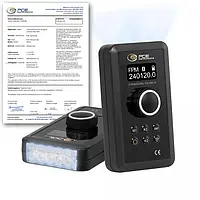
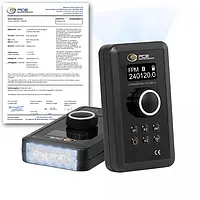
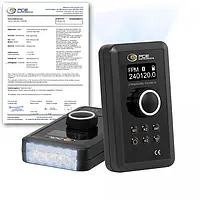
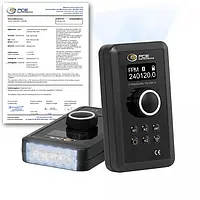
The combination PCE-T 260 is a measuring instrument for use in maintenance, and production. In addition to the stroboscope function, the automotive tester also has the option of removing the rotational contacts and measuring temperatures.
The combination PCE-T 260 is a measuring instrument for use in maintenance, and production. In addition to the stroboscope function, the handheld tachometer also has the option of removing the rotational contacts and measuring temperatures.
PCE-CT 65 is a car measuring device that uses magnetic induction (ferrous) or eddy current (non-ferrous) to take non-destructive measurements of coating and dry film thickness (DFT) on metal substrates such as steel and aluminum. This car measuring device is ideal for painted and powder-coated surface testing, automotive paint inspection, coated material testing, and manufacturing quality control applications.
PCE-CT 65 is a thickness gauge that uses magnetic induction (ferrous) or eddy current (non-ferrous) to take non-destructive measurements of coating and dry film thickness (DFT) on metal substrates such as steel and aluminum. This thickness gauge is ideal for painted and powder-coated surface testing, automotive paint inspection, coated material testing, and manufacturing quality control applications.
PCE-CT 65 is a Thickness Meter that uses magnetic induction (ferrous) or eddy current (non-ferrous) to take non-destructive measurements of coating and dry film thickness (DFT) on metal substrates such as steel and aluminum. This Thickness Meter is ideal for painted and powder-coated surface testing, automotive paint inspection, coated material testing, and manufacturing quality control applications.
This wall thickness gauge uses magnetic induction (ferrous) or eddy current (non-ferrous) to take non-destructive measurements of coating and dry film thickness (DFT) on metal substrates such as steel and aluminum. This wall thickness gauge is ideal for painted and powder-coated surface testing, automotive paint inspection, coated material testing, and manufacturing quality control applications.
PCE-CT 65 is a coating thickness gauge that uses magnetic induction (ferrous) or eddy current (non-ferrous) to take non-destructive measurements of coating and dry film thickness (DFT) on metal substrates such as steel and aluminum. This thickness gauge is ideal for painted and powder-coated surface testing, automotive paint inspection, coated material testing, and manufacturing quality control applications.
PCE-CT 65 is a paint thickness gauge that uses magnetic induction (ferrous) or eddy current (non-ferrous) to take non-destructive measurements of coating and dry film thickness (DFT) on metal substrates such as steel and aluminum. This thickness gauge is ideal for painted and powder-coated surface testing, automotive paint inspection, coated material testing, and manufacturing quality control applications.