
AED 132,274.00
Price excl. VAT &. delivery
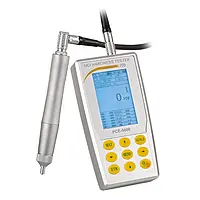
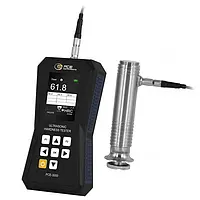
PCE-5000 is a portable material hardness tester that uses the ASTM A1038 ultrasonic contact impedance (UCI) method to measure the hardness of metals and alloys with a minimum thickness of 2 mm / .08 in. Non-destructive testing produces microscopic indentation.
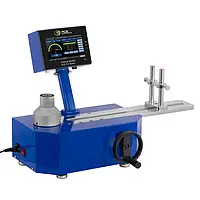
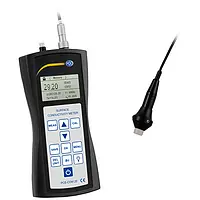
PCE-COM 20 is a portable handheld non-destructive material tester for non-ferrous metals. This non-destructive testing (NDT) device uses eddy current to determine the electrical conductivity of non-ferrous metals such as aluminum and copper. Includes 3 standards for testing.
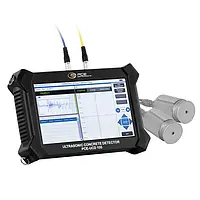
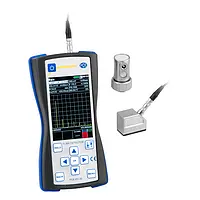
PCE-FD 20 is a material thickness meter with a large LCD screen that displays A-scan maps of ultrasonic signals as well as B-scan cross sections. Ideal for use in mechanical engineering, aerospace and metallurgical applications, this high-frequency material thickness meter uses a contact transducer (two different probes included; 45° and 90°) to measure material thickness and identify flaws and defects such as discontinuity in welds.
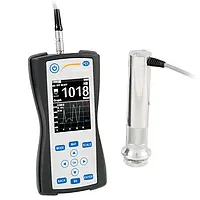
The Ultrasonic Contact Impedance (UCI) durometer PCE-3500 has been designed for the non-destructive hardness measurement of metallic components. A 136° Vickers diamond at the probe is stimulated with its self-resonance to allow the user to very accurately measure hardness of small items, thin-walled items (>1 mm), and surface-hardened layers. Small imprint after measuring for mirrored surfaces.
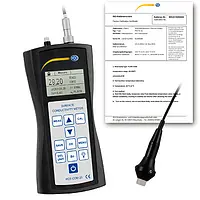

PCE-COM 20-ICA is a portable handheld non-destructive material tester for non-ferrous metals. This non-destructive testing (NDT) device uses eddy current to determine the electrical conductivity of non-ferrous metals such as aluminum and copper. Includes 3 standards for testing.
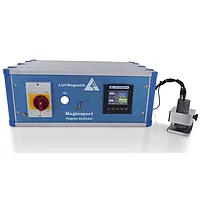
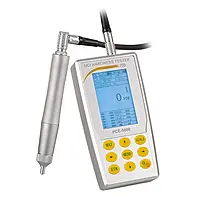
The PCE-5000 is a portable condition monitoring material hardness tester that uses the ASTM A1038 ultrasonic contact impedance (UCI) method to measure the hardness of metals and alloys with a minimum thickness of 2 mm / .08 in. Non-destructive testing produces microscopic indentation.
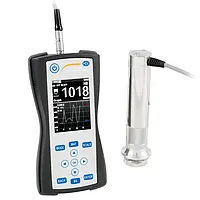
The Ultrasonic Contact Impedance (UCI) durometer PCE-3500 has been designed for the non-destructive hardness measurement of metallic components. A 136° Vickers diamond at the probe is stimulated with its self-resonance to allow the user to very accurately measure hardness of small items, thin-walled items (>1 mm), and surface-hardened layers. Small imprint after measuring for mirrored surfaces and nitrided surfaces.
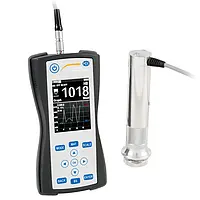
The Ultrasonic Contact Impedance (UCI) durometer PCE-3500 has been designed for the non-destructive hardness measurement of metallic components. A 136° Vickers diamond at the probe is stimulated with its self-resonance to allow the user to very accurately measure hardness of small items, thin-walled items (>1 mm), and surface-hardened layers. Small imprint after measuring for mirrored surfaces and nitrided surfaces.
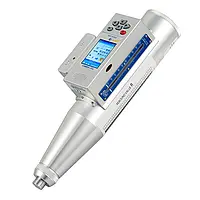
PCE-HT 225E is a material test hammer, also called a concrete rebound hammer or Swiss hammer, used for non-destructive measurements of surface hardness and compression strength. Suitable for use with concrete, rock and building materials, this rebound hammer features a direct digital display, voice functionality, USB port data interface and memory for storing up 200 measurement values.
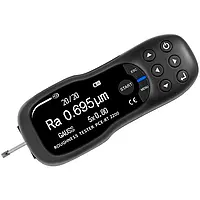
The portable and easy-to-use material tester with an OLED display is particularly suitable for quick and accurate measurements in the workshop or laboratory. The material tester uses a DSP chip for control and data processing at high speed and low energy consumption.
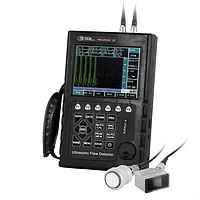
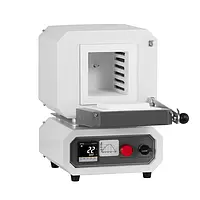
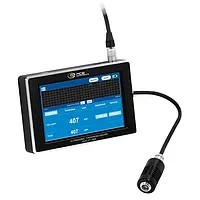
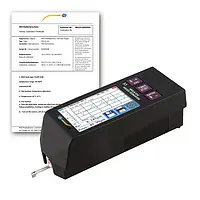
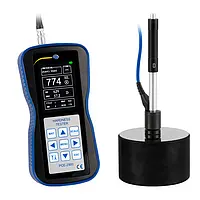
The material hardness tester PCE-2900 has been developed for hardness measurements on metallic materials. The material hardness tester PCE-2900 measures the material hardness in Vickers, Brinell, Rockwell, Leeb and Shore. The material hardness tester PCE-2900 measures the hardness according to the Leeb rebound principle.
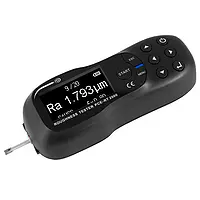

The material surface roughness tester PCE-RT 2000BT is used for accurate measurement of surface roughness. The material tester can be used on all surfaces. The roughness is measured precisely with the roughness measuring device via the piezo probe.
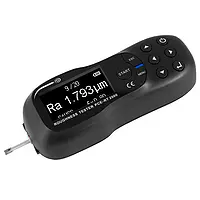
The material surface roughness tester PCE-RT 2000 is used for accurate measurement of surface roughness. The material tester can be used on all surfaces. The roughness is measured precisely with the roughness measuring device via the piezo probe.
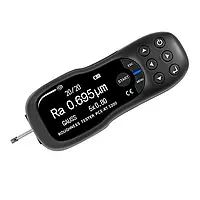
The Bluetooth material surface roughness tester is used to determine surface roughness. The compact roughness tester is a handheld device for mobile use. Due to the power supply via a powerful battery, it can be used directly on site. The roughness tester is used in the laboratory, in production and everywhere where the roughness of surfaces is to be determined.
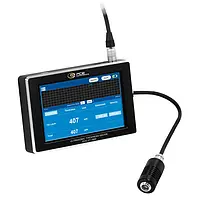
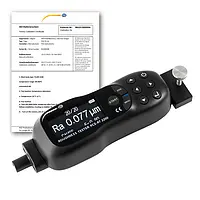
The portable and easy-to-use material tester with an OLED display is particularly suitable for quick and accurate measurements in the workshop or laboratory. The material tester uses a DSP chip for control and data processing at high speed and low energy consumption.
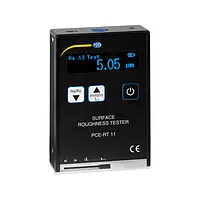
The Material Tester PCE-RT 11 is a portable measuring instrument for determination of surface roughness according to Ra, Rz, Rq and Rt in just one device.
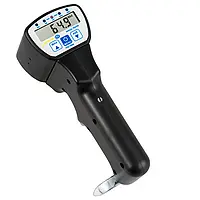
PCE-1000N is a portable handheld Material Tester used to measure the hardness of pure aluminum, soft aluminum, thick aluminum alloy and aluminum sheets, strips, rods, castings and forgings. The hardness of fiber-reinforced (FRP) plastics, glass-reinforced (GRP) plastics, hard plastics and soft metals (such as copper or lead) also can be tested using this battery-powered digital Barcol impressor hardness meter.
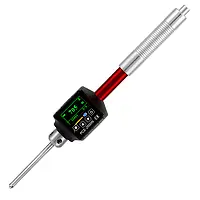
The Material Hardness Tester for Metal PCE-2600N is used wherever a fast hardness test has to be carried out. It is possible to use the material tester PCE-2600N to determine the surface hardness of many metals. The material tester PCE-2600N is especially suitable for quality or product inspection.